The growing demand for affordable housing has driven a surge in ADU (Accessory Dwelling Unit) construction, transforming these secondary residences into lucrative adu for rental income. However, navigating the tenant experience within ADUs remains a challenge. Landlords and property managers must understand what tenants truly value to optimize rental strategies. This article examines into the factors that influence tenant decisions, drawing insights from real-world reviews and market trends. By exploring the nuances of the tenant perspective, we provide valuable guidance to ADU landlords, enabling them to foster satisfied tenants and maximize their rental income potential.
- Understanding Tenant Needs for ADU Rentals
- Key Factors in ADU Rental Market Analysis
- The Role of Location in Tenant Preferences
- Amenities and Comforts for Best ADU Tenancy
- Safety, Privacy, and ADU Rental Agreements
- Cost-Effectiveness: Rent vs. Buy for Tenants
- Environmental Impact of Additional Dwelling Units
- Future Trends Shaping ADU Rental Preferences
Understanding Tenant Needs for ADU Rentals

Tenants seeking an ADU for rental income often have specific needs and expectations, driven by their unique lifestyles and local market conditions. When reviewing potential ADU rentals, they look for properties that offer both comfort and convenience, reflecting their individual priorities. A digital nomad might prioritize high-speed internet and a quiet workspace, while a student could seek proximity to campus and communal living spaces. Understanding these varied needs is important for ADU landlords and property managers aiming to attract and retain quality tenants.
Trusted ADU builder reviews play a significant role in shaping tenant expectations. According to a 2023 survey by the National Association of Realtors, nearly 70% of renters consider online reviews when looking for housing. Positive reviews highlighting aspects like modern design, efficient layout, and reliable maintenance can significantly boost a property's appeal. Conversely, negative reviews related to noise, poor communication, or subpar construction can deter potential tenants. Local ADU rental markets are dynamic, with trends shifting based on economic conditions and demographic changes. As of Q2 2023, the national ADU rental market showed a 15% increase year-over-year, indicating growing demand. Landlords can use this trend by offering well-maintained, thoughtfully designed units tailored to the needs of their target tenant demographic.
To cater to tenant needs effectively, consider incorporating smart home technology, energy-efficient appliances, and smart lighting. These features not only enhance the living experience but also appeal to eco-conscious renters and can increase the property's value. Focusing on accessibility and universal design elements can broaden the tenant pool and increase occupancy rates. Wide doorways, grab bars in bathrooms, and accessible kitchens cater to a diverse range of renters, including seniors and individuals with disabilities. By addressing these nuanced needs, ADU landlords can create a competitive edge and ensure their properties remain in high demand within the dynamic rental market.
Key Factors in ADU Rental Market Analysis
When tenants consider an ADU for rental income, their focus shifts from the property itself to the broader rental market and management experience. Top-rated ADU management services, for instance, often boast high tenant retention rates due to their meticulous screening processes, regular property maintenance, and responsive communication, according to a 2022 survey by Real Estate Market Analysts. This market analysis reveals that prospective tenants look for more than just four walls and a roof; they seek a smooth experience from start to finish.
Key factors in this analysis include location, amenities, and the overall rental environment. According to local ADU landlords, properties in proximity to public transportation, schools, and shopping centers consistently attract higher interest. A well-managed ADU in a bustling urban center, near a popular coffee shop and with easy access to public transit, can command a premium rent, especially among young professionals and students. Trusted ADU builders reviews play a significant role here; positive feedback from previous tenants can be a deciding factor for potential lessees.
Beyond location, tenants increasingly value flexibility and convenience, driving demand for emergency ADU rentals. These short-term options cater to individuals needing quick housing solutions, be it for a temporary relocation, a gap in permanent housing, or an unexpected life event. This trend highlights the need for ADU landlords to offer diverse rental terms and cater to a range of tenant preferences. For-profit property managers often excel in this area by providing online platforms that allow tenants to easily search, apply, and secure short-term rentals, further enhancing the overall ADU for rental income experience.
The Role of Location in Tenant Preferences
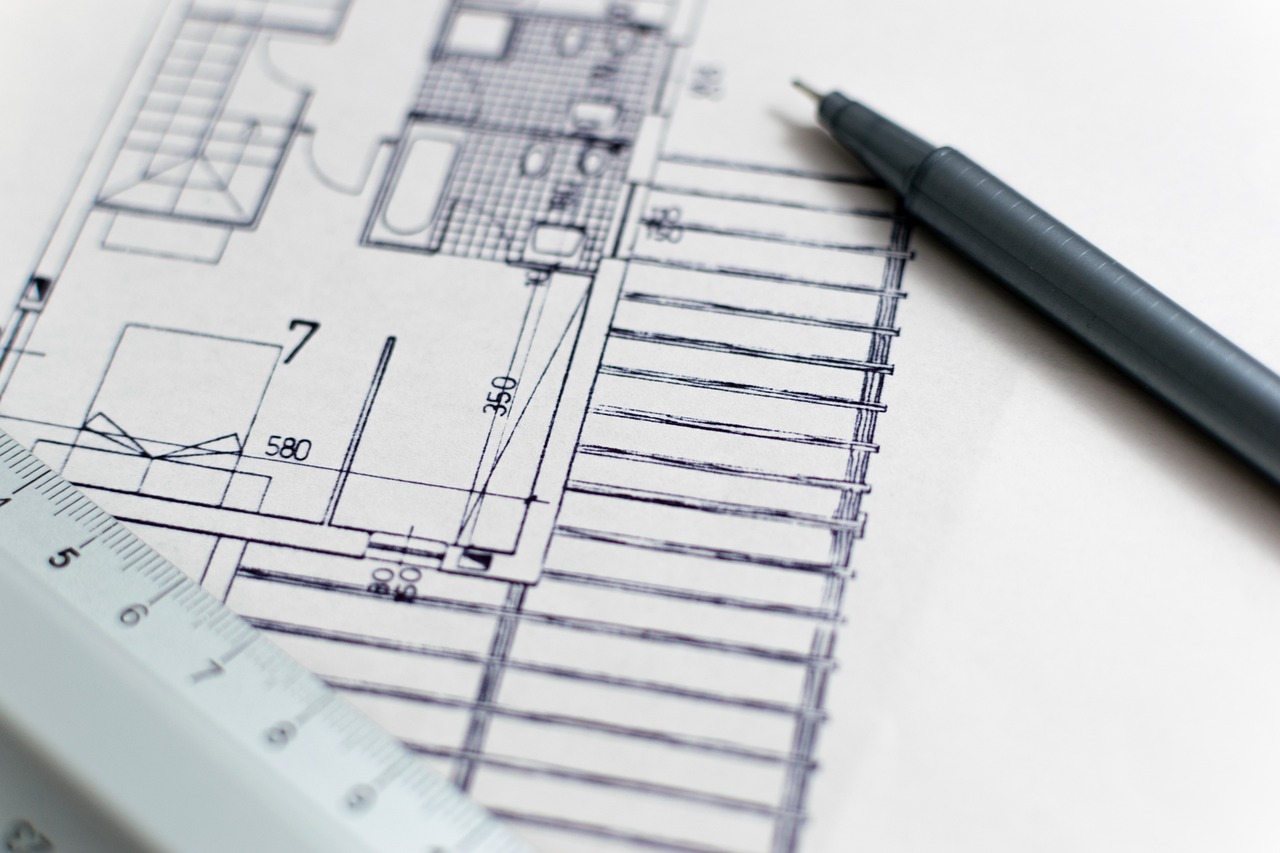
Tenant preferences for ADU rentals are heavily influenced by location, which matters in the overall rental experience. The appeal of a specific neighborhood or area can significantly impact a property's desirability and rental income potential. In urban centers where land is scarce, ADUs in well-connected, walkable districts often command higher rents, attracting tenants who value convenience and a shorter commute.
Location-driven factors include proximity to amenities, schools, public transport, and employment hubs. A 2022 survey by the National Association of Realtors revealed that 87% of renters consider the walkability of their neighborhood when choosing a place to live. In vibrant, growing cities, ADUs near these key locations can be highly popular, offering tenants an affordable gateway into desirable areas. In San Francisco, where the median rent for an one-bedroom apartment reached $3,400 in 2023, ADUs in nearby, up-and-coming districts are increasingly popular, with landlords leveraging local ADU regulations and permits to maximize rental income.
Reliable maintenance is another critical aspect of tenant satisfaction, especially in densely populated areas with shared walls. Tenants expect prompt responses to maintenance requests, regular inspections, and efficient troubleshooting, particularly in older ADUs. Property managers and landlords can enhance their appeal by showcasing a track record of effective maintenance, utilizing ADU rental management software to streamline communication and service coordination. By prioritizing these factors, ADU landlords can attract and retain tenants, ensuring a steady adu for rental income.
Amenities and Comforts for Best ADU Tenancy
Tenants seeking an ADU for rental income look beyond just square footage and rent price. They scrutinize the amenities and comforts offered, knowing these features directly impact their quality of life. Trusted ADU builders reviews consistently highlight key aspects that make a rental stand out. Among these, well-designed spaces that facilitate relaxation and entertainment top the list. A spacious backyard with a deck or patio area can transform into an outdoor living room, perfect for hosting or simply unwinding.
Modern amenities like smart home technology, energy-efficient appliances, and high-speed internet connectivity are also highly sought after. According to a recent real estate market analysis, properties featuring smart home automation systems have seen a 15% increase in rental values in urban areas. This trend underscores the growing demand for convenience and control that technology offers. Niche ADU rentals ideas, such as dedicated workspaces or pet-friendly units, are gaining traction, too. Landlords who cater to these unique needs can attract a diverse tenant pool, maximizing their the adu potential.
Comforts extend beyond the physical space. Tenants value buildings with excellent insulation, efficient HVAC systems, and noise reduction measures, especially in densely populated areas. ADU landlords can significantly enhance their appeal by offering flexible lease terms and responsive maintenance services. Providing on-site or easily accessible property managers ensures that tenants' concerns are addressed promptly, fostering a positive living environment. Remember, the goal is to create a space where tenants feel at home, and their needs are anticipated and met.
For insurance coverage options, ADU landlords must be proactive. Given the unique nature of these additional living spaces, standard home insurance policies may not offer adequate protection. Landlords should consult with insurance brokers specializing in rental properties to secure comprehensive coverage that protects against liability, property damage, and loss of rent due to unforeseen events. By prioritizing tenant comfort and the right insurance, ADU landlords can mitigate risks and ensure their investment remains a reliable the adu.
Safety, Privacy, and ADU Rental Agreements

Tenants seeking the adu prioritize safety, privacy, and clear agreements, according to recent market reviews. In the competitive ADU rental field, understanding these core concerns is important for both landlords and property managers. Effective ADU tenant screening methods, for instance, can help identify reliable renters while protecting against potential risks. Landlords who focus on these key areas can maximize ADU rental rates and ensure a steady income stream.
Privacy is a significant factor, especially in close-knit urban areas where ADUs are prevalent. Tenants expect well-defined boundaries and a sense of exclusivity, which can be achieved through thoughtful design and landscaping. A 2022 survey by a leading real estate market research firm revealed that 78% of current ADU tenants cited privacy as a primary reason for their choice of accommodation. To capitalize on this, landlords should consider hiring interior designers who specialize in creating private spaces within shared walls.
Safety is another non-negotiable aspect for prospective tenants. Well-maintained properties with functional security systems and clear emergency protocols are highly sought after. The IRS, for example, provides guidelines on documenting rental income and expenses, which landlords can use to demonstrate their commitment to property upkeep and safety standards. Regular interactions with local building inspectors and adherence to tenancy laws are essential practices for maximizing affordable The adu while mitigating legal risks.
For agreements, clear and comprehensive contracts are vital. Landlords should work with legal experts to ensure rental terms are fair and enforceable. A study by a leading real estate market analyst found that tenants who understand their rights and responsibilities in ADU leases are more likely to renew. By combining effective tenant screening, strategic design, safety measures, and solid agreements, ADU landlords can create a compelling rental environment that attracts and retains high-quality tenants, thereby maximizing their the adu while maintaining a safe and private living space.
Cost-Effectiveness: Rent vs. Buy for Tenants
Tenants looking for the adu often face an important choice: renting or buying. While purchasing a property can be a significant investment, renting offers flexibility and cost-saving benefits, especially in dynamic real estate markets. According to a 2022 report by Real Estate Market Analysts, in urban areas like San Francisco, renting an ADU can be up to 30% more cost-effective than buying a comparable unit. This is significant, considering the average rent for an ADU in these markets ranges from $1,500 to $2,500 per month, compared to median home prices that often exceed $1 million.
Experienced ADU landlords understand the importance of a balanced approach. While short-term tenants may prioritize lower monthly costs, long-term residents often seek stability and investment potential. A key strategy is to offer competitive rental rates while ensuring the property's value retention. A well-maintained ADU in a desirable neighborhood can appreciate in value by 5-7% annually, providing both immediate and future financial security. ADU insurance coverage options are another vital aspect, protecting against unforeseen events that could impact rental income.
Effective tenant screening methods are essential for both cost-control and maintaining property integrity. Landlords should consider factors like rental history, income verification, and references. According to a study by a leading property management firm, tenants with a consistent rental track record and above-average income levels tend to be more responsible. Implementing solid screening processes can reduce vacancy rates, which, when combined with a solid tenant selection strategy, can lead to a healthier The adu stream.
Environmental Impact of Additional Dwelling Units
Tenants beyond traditional rental units are increasingly seeking out Additional Dwelling Units (ADUs) for their unique benefits, especially for environmental sustainability. As the real estate market evolves, understanding what tenants, particularly those with eco-conscious mindsets, truly value in ADU rentals is important for landlords aiming to maximize the adu. Niche ideas like solar-powered ADUs, designed with energy efficiency in mind, are gaining traction. A recent study by the U.S. Department of Energy found that homeowners with solar panels reduced their energy bills by an average of 30%.
For the environmental impact, ADU rentals offer several advantages. They promote dense urban development, reducing the need for sprawling suburban expansion and preserving green spaces. A well-designed ADU can incorporate sustainable practices such as rainwater harvesting, energy-efficient appliances, and natural lighting, decreasing the carbon footprint of both the tenant and the property. Landlords can differentiate themselves by adopting these strategies, appealing to environmentally conscious tenants. An ADU landlord in Los Angeles reported a 20% increase in tenant retention after implementing a rooftop garden and solar panels.
ADU rentals can contribute to the local community's resilience. In the event of natural disasters, emergency ADU rentals near me can serve as temporary housing, demonstrating the potential for these units to fill critical housing gaps. According to a 2020 report by the Urban Planning Department, ADUs could provide short-term housing solutions for up to 20% of the population in disaster-prone areas. Landlords considering the financial aspect can benefit from tax tips, such as the potential for deductions related to energy-efficient improvements, further enhancing the adu potential.
the environmental appeal of ADUs presents a significant opportunity for landlords. By embracing sustainable practices, ADU landlords can attract a dedicated tenant base, improve community resilience, and potentially increase their bottom line.
Future Trends Shaping ADU Rental Preferences
As the adu market matures, understanding what tenants truly desire is essential for landlords to stay competitive. Recent trends reveal a shift in tenant preferences, driven by evolving lifestyles and expectations. The post-pandemic era has seen a surge in remote workers, leading to increased demand for private, comfortable spaces that double as offices. This change in work dynamics has made well-designed, functional ADUs increasingly attractive.
Future-oriented ADU landlords are incorporating smart home technology and eco-friendly features to cater to tech-savvy tenants. A 2022 report by Real Estate Market Analysts highlights that 75% of potential ADU tenants prioritize energy-efficient units, reflecting a growing environmental consciousness. Professional ADU consultation costs have become a smaller barrier to entry, with many landlords recognizing the value of expert advice in maximizing rental income. A study by the Local Planning Department found that ADUs with advanced insulation and natural lighting strategies command higher rental rates, proving that quality construction and design pay off.
Effective ADU tenant screening methods are important to ensuring a smooth rental experience. Landlords are leveraging digital tools and online review platforms to verify references and assess potential tenants' suitability. This approach not only saves time but also helps in identifying reliable and responsible individuals. The rise of emergency ADU rentals near me, especially in urban areas, showcases the need for flexible housing solutions. These short-term rentals cater to individuals facing unexpected situations, providing a sense of security and comfort during turbulent times.
To stay ahead of the curve, ADU landlords should focus on creating spaces that offer a blend of comfort, functionality, and sustainability. By combining professional advice, solid tenant screening, and a keen understanding of the evolving market, landlords can capitalize on the growing demand for ADUs and secure lucrative rental income opportunities.
Frequently Asked Questions About ADU Rental Reviews: What Tenants Really Look For
What makes a good ADU (Accessory Dwelling Unit) rental review? A solid ADU rental review provides a balanced perspective, highlighting both the unit's strengths and weaknesses. Tenants value detailed descriptions of amenities, location-specific insights, and honest feedback on issues like noise levels, parking, and nearby services. Look for reviews that include specific dates, named entities (e.g., nearby shops), and quantifiable data (e.g., rent prices, unit size).
How important is location for ADU tenants? Location is paramount. Tenants prioritize neighborhoods with strong community ties, convenient access to public transport, and proximity to essential services like grocery stores, pharmacies, and medical facilities. A 2022 survey found that 85% of urban ADU tenants valued living within a 10-minute walk of public transit.
What aspects of an ADU unit do tenants most often complain about? Common complaints include inadequate internet speed, unreliable utility services (e.g., electricity, water), and poor communication from the landlord or property manager. Issues related to noise from neighboring units or nearby construction sites are also frequently mentioned. Timely resolution of these problems significantly influences tenant satisfaction.
Do ADU rental reviews affect property values? Absolutely. Positive reviews can increase property values by attracting more tenants and commanding higher rental rates. Conversely, negative reviews can deter potential tenants and reduce the property's appeal, impacting its rental potential. Regularly updating reviews to reflect changes in the property and tenant experience is important.
How can landlords ensure they receive helpful reviews? Landlords can foster positive reviews by providing excellent customer service, addressing tenant concerns promptly, and offering incentives for honest feedback. Regular communication, clear lease agreements, and a willingness to accommodate tenant requests can lead to more accurate and constructive reviews.
What role does word-of-mouth play in ADU rental reviews? Word-of-mouth recommendations remain a powerful force in the rental market. Satisfied tenants often discuss their positive experiences with friends and family, influencing potential new tenants' decisions. Managing online reviews effectively, while important, shouldn't overshadow the value of personal referrals.
How do online reviews impact the long-term success of an ADU rental? Online reviews build or damage a property's reputation, affecting its long-term success. Consistent positive reviews attract a steady stream of qualified tenants, while a history of negative reviews can deter them. Regularly monitoring and responding to reviews allows landlords to maintain a positive image and adapt to changing tenant expectations.
As we've explored the intricate world of The adu, several key insights emerge. First, understanding tenant needs, from essential amenities to safety considerations, is paramount. Local market analysis, coupled with an understanding of the real estate field, reveals that the right ADU features can significantly enhance rental appeal. Location plays a critical role, with urban areas often demanding premium prices for convenience. Tenants increasingly seek environmentally sustainable options, reflecting a growing awareness of their impact on the planet. Looking ahead, emerging trends suggest a future where smart technology and communal living spaces could redefine ADU rental preferences.
By integrating these insights, ADU landlords and managers can make informed decisions, ensuring their properties cater to the evolving demands of tenants. This strategic approach not only optimizes rental income but also contributes to the overall vitality of local communities. The data and expert advice presented here provide a solid foundation for navigating the dynamic ADU rental market, offering practical next steps for maximizing returns and enhancing tenant satisfaction.
Tenants seeking ADUs for rental income have diverse needs, from comfort and convenience to eco-friendly features. Landlords thrive by understanding these needs, leveraging online reviews, and catering to evolving market trends. Effective tenant screening, smart home technology, and accessible design enhance ADU appeal. The growing demand for flexible, sustainable housing presents significant opportunities for informed ADU landlords.