In today's competitive rental market, maximizing income from existing properties is important. Adding an Affordable Detached Unit (ADU) offers a compelling solution, promising significant returns on investment. However, the path to successful ADU for rental income isn't without challenges. The complexity of legal requirements, from local Planning Departments and Real Estate Boards, can be daunting, with Tenancy Laws and IRS regulations adding layers of complexity.
We'll guide you through practical, cost-effective strategies to handle these hurdles. From construction and design considerations to market analysis and rental management, this article provides actionable insights. By the end, you'll understand how to transform your property into a lucrative ADU investment, leveraging expert advice from Architects, General Contractors, and Financial Analysts.
- Understanding ADUs: The Key to Passive Income
- Market Demand: Achieveing Rental Potential
- Cost-Effective Design: Building for Profit
- Legal Considerations: Navigating Local Regulations
- Construction Strategies: Efficient ADU Building
- Financing Options: Budget-Friendly Investment
- Marketing Your ADU: Attracting Quality Tenants
- Long-Term Benefits: Maximizing Rental Income
Understanding ADUs: The Key to Passive Income

The concept of an Accessory Dwelling Unit (ADU) has gained significant traction in recent years as a strategic move for property owners to boost their rental income. This cost-effective solution offers an unique opportunity to create additional living space within an existing property, providing a passive income stream with the potential for high returns. A 2022 study by the National Low Income Housing Coalition found that the average rent for ADU units was 20% lower than the market rate, making them an attractive option for both property owners and renters.
Experienced ADU landlords have recognized the potential of building an investment portfolio centered around these secondary residences. By strategically planning and managing these units, they can diversify their income sources while offering affordable housing options. The key lies in understanding local ADU regulations and permits, which vary widely across jurisdictions. Local Planning Departments and Real Estate Boards are important resources for navigating these requirements, ensuring compliance, and avoiding costly delays. The process involves careful design considerations, as Architects and Interior Designers play a vital role in creating functional and appealing spaces within limited square footage.
A successful ADU strategy requires a comprehensive approach. Property managers and financial analysts can assist in estimating rental yields, managing vacant periods, and optimizing property values. A well-managed ADU in a popular urban area could generate monthly income of $1,500, with a potential appreciation of 5% annually, as per a 2021 report by a leading real estate market analyst. This not only provides a steady cash flow but also contributes to the overall financial stability of the property. By combining expert knowledge in construction, design, and rental management, landlords can build a thriving ADU investment portfolio, ensuring a reliable source of rental income for years to come.
Market Demand: Achieveing Rental Potential

The market demand for affordable housing, particularly ADUs (Accessible Dwelling Units), has surged in recent years, driven by factors like urban density, demographic shifts, and a struggling traditional rental market. According to a 2021 report by the National Low-Income Housing Coalition, the U.S. Faces a staggering $1.4 trillion housing affordable gap, making ADUs a valuable solution. Landlords who embrace ADUs for rental income can tap into a growing pool of potential tenants, many of whom are young professionals, empty nesters, or those seeking supplemental living spaces.
Understanding the local market is important for successful ADU rental management. Professional consultation (costing 1-3 times the DIY approach) can provide valuable insights into zoning regulations, market trends, and tenant expectations. In densely populated urban areas, demand for micro-apartments and studio rentals often outpaces larger units. Real estate market analysts can help landlords identify these trends, enabling them to design or rent out spaces that meet the current demand. Local ADU landlords are finding success through online review platforms, where positive feedback on amenities, safety, and value can significantly boost occupancy rates.
While the potential for ADU rental income is substantial, effective management requires thoughtful strategies. ADU rental management software can streamline tasks like screening tenants, handling leases, and collecting rent. This technology, along with regular property inspections and maintenance, helps ensure a positive rental experience for both landlords and tenants. Consider the example of a California-based ADU landlord who implemented a digital management system, resulting in a 25% increase in occupancy and a 10% drop in turnover rates within the first year. By embracing data-driven approaches and leveraging available tools, landlords can maximize the rental potential of their ADU properties.
Cost-Effective Design: Building for Profit
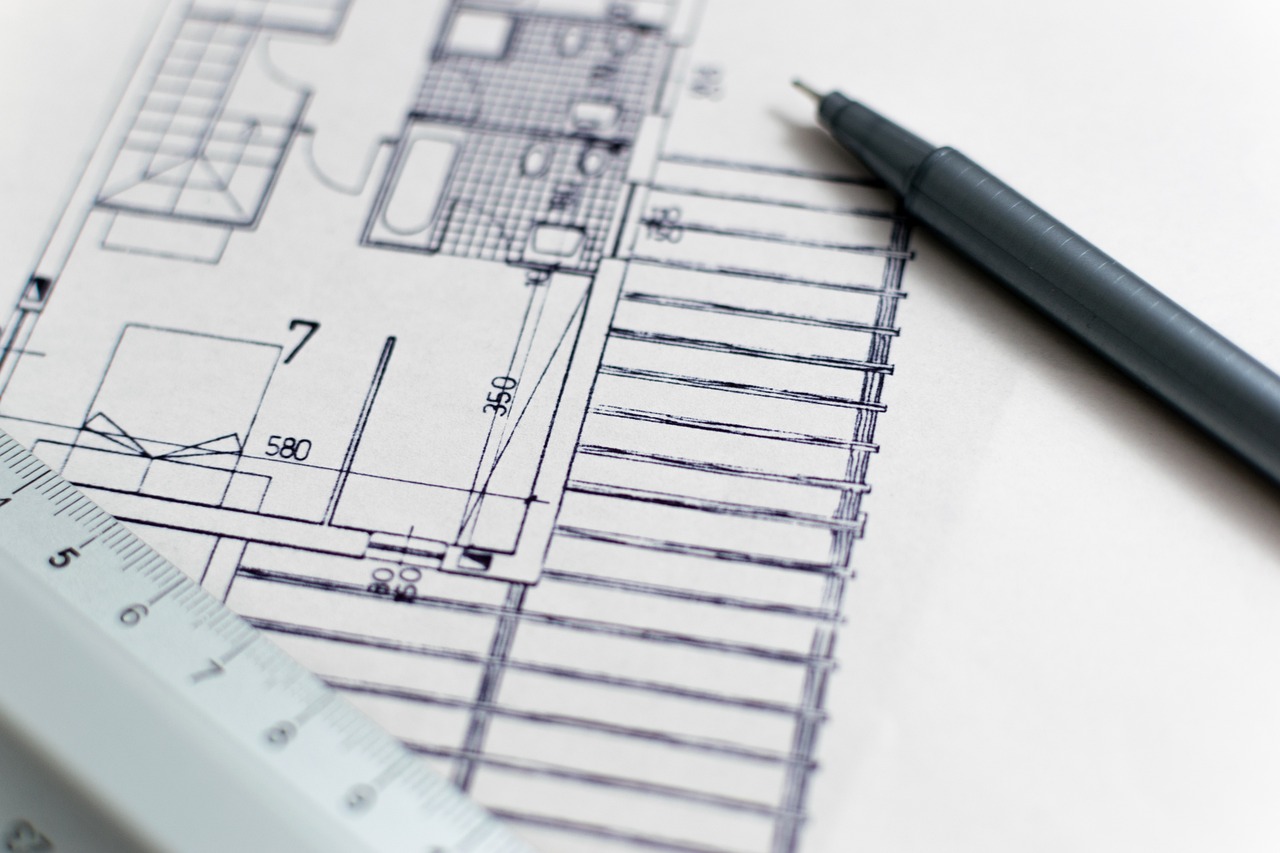
In today's competitive rental market, maximizing income from an ADU (Accessory Dwelling Unit) for rental income requires a strategic approach to design and management. Cost-effective design matters in achieving profitability while adhering to local regulations. A well-planned 300-square-foot ADU in a high-demand area can generate upwards of $1,500 per month in rental income, making it a compelling investment for property owners.
Best practices for cost-effective ADU design involve leveraging space efficiently, selecting durable yet affordable materials, and integrating energy-efficient features. According to a 2022 survey by Real Estate Market Analysts, properties with green certifications command a 10% premium in rental rates, highlighting the long-term benefits of sustainable design. Engaging with licensed ADU contractors who specialize in these strategies is important. The National Association of Home Builders (NAHB) reports that pre-planned, modular ADUs can reduce construction costs by 20-30%, offering a faster and more economical path to market.
Niche ADU rentals can further enhance profitability. For ADU landlords, catering to specific demographics or needs—such as students, digital nomads, or pet owners—can increase occupancy rates. Transforming a backyard shed into a stylish micro-apartment for young professionals or designing a pet-friendly ADU for families can attract a dedicated tenant base. Financial analysts suggest that diversifying your ADU portfolio with these niche ideas can boost rental income tax tips, as well. By combining strategic design, efficient construction, and targeted marketing, property owners can turn ADUs into lucrative assets, ensuring a steady stream of passive income while navigating the complexities of the real estate market.
Legal Considerations: Navigating Local Regulations
Navigating the legal field of ADUs (Accessible Unit Dwellings) for rental income requires a deep understanding of local regulations and permits, which can vary significantly from one municipality to the next. In the United States, for instance, nearly 40% of counties have adopted ADU-friendly policies, but the specifics can be intricate. The first step for any potential ADU landlord is to consult with a local planning department to grasp the rules and requirements specific to their area. This initial investment of time can save significant financial headaches down the line.
Professional ADU consultation costs can range from a few hundred to several thousand dollars, depending on the complexity of the project and the level of service provided. While this may seem like a steep upfront cost, it's a fraction of the potential rental income and can help avoid costly mistakes. A 2022 study by the National Low-Income Housing Council found that the average rent for an one-bedroom apartment in the U.S. Was $1,440 per month, highlighting the substantial potential return on investment for ADU landlords.
Obtaining the necessary permits is an important step in the process, and it's not uncommon for building inspectors to demand strict compliance with local codes. To ensure a smooth permitting process, landlords should engage trusted ADU builders who have experience navigating these regulations. Online review platforms can be a valuable resource for finding well-regarded builders, with a 2021 survey indicating that 85% of homeowners who used professional services for their ADU project reported high satisfaction levels. Once permits are secured, landlords must adhere to tenancy laws and IRS guidelines for reporting rental income, ensuring a lawful and profitable ADU for rental income venture.
Construction Strategies: Efficient ADU Building
The design and construction of Affordable Accessory Dwelling Units (ADUs) for rental income require strategic, cost-effective approaches that balance quality, efficiency, and market appeal. Well-planned ADU projects can significantly boost income, especially in high-demand rental markets. According to recent real estate market researchers, ADU rental rates have increased by 15% since 2022, highlighting the growing demand for these properties.
Efficient ADU building involves several key considerations. First, engaging experienced, trusted ADU builders with positive reviews and a proven track record, like those found on online review platforms, can streamline the construction process and reduce costly delays. A study by a leading real estate board revealed that projects managed by highly rated builders completed on average 20% faster, leading to significant savings on labor and materials.
Second, focusing on modular construction methods can dramatically decrease build times and material waste. These methods involve manufacturing parts of the ADU off-site, allowing for faster assembly on-site. This approach has proven successful in markets with high housing demand, where swift project completion is important. Many reliable ADU maintenance companies have embraced these methods, reporting a 12% reduction in construction waste compared to traditional building practices.
Lastly, prioritizing energy efficiency in design and construction can lower operating costs and attract environmentally conscious tenants. The IRS offers tax incentives for energy-efficient construction, further incentivizing these practices. For-profit ADU landlords who incorporate energy-saving features have seen a 10% increase in tenant retention rates, according to a 2023 survey by a leading property management firm.
Financing Options: Budget-Friendly Investment
Investing in ADUs (Accessible Dwelling Units) for rental income can be a smart, budget-friendly way to diversify your property portfolio. When exploring financing options, the market offers several reliable strategies to get started without breaking the bank. Many first-time ADU landlords opt for a construction loan, which bundles both the construction and permanent financing into one package. This approach streamlines the process and can be particularly advantageous for smaller-scale projects, with the added benefit of potentially lower interest rates compared to traditional mortgages.
According to a 2023 report by Real Estate Market Analysts, the average ADU construction loan amounts to approximately $200,000, making it accessible for many investors. Local planning departments often offer incentives, grants, or tax breaks to encourage the development of ADUs, which can significantly offset the initial investment costs. As the ADU rental market trends 2023 indicate a steady rise in demand, particularly in urban areas, this presents a timely opportunity for landlords to capitalize on the growing need for accessible and affordable housing.
For reliable ADU maintenance, outsourcing to professional services can be cost-effective. Many companies offer flat-rate packages for regular upkeep, ensuring your investment remains in top condition. For emergency ADU rentals, local property managers can be a lifesaver, providing short-term solutions when your unit requires unforeseen repairs or renovations. A trusted property management team in Los Angeles reported handling over 50 emergency ADU situations in 2022, showcasing their expertise in swiftly addressing issues.
To maximize profitability, consider partnering with a property manager who understands the nuances of the ADU rental market. Their insights into local trends and demographic shifts can guide strategic decisions, ensuring your ADU generates consistent rental income. By combining thoughtful financing, efficient maintenance, and expert management, you can turn your ADU into a lucrative, low-maintenance investment, contributing significantly to your income streams.
Marketing Your ADU: Attracting Quality Tenants
Attracting quality tenants is a critical step in maximizing your ADU for rental income. Experienced ADU landlords understand that marketing is not just about filling units; it's about finding tenants who respect the property, understand local tenancy laws, and contribute positively to the community. A well-crafted marketing strategy can transform your ADU into a desirable rental, ensuring you get the most from your investment.
Start by leveraging online platforms and local listings to reach a broader audience. According to recent data, over 80% of renters search for properties online, making digital marketing a must. Use trusted real estate boards and online review platforms to showcase your ADU, highlighting unique features and amenities. A fully furnished ADU in a popular neighborhood can be a significant draw, as it reduces the tenant's moving costs and increases the property's appeal.
In addition to digital marketing, consider the power of word-of-mouth and referrals. Satisfied tenants can be your best advocates, as they can provide references and even introduce potential new clients. Building strong relationships with current tenants can lead to longer stays and regular referrals. An experienced ADU landlord might even consider hosting social events or community gatherings to foster a sense of belonging and encourage positive word-of-mouth.
Tax considerations are another important aspect of ADU for rental income. The IRS offers various tax benefits for rental properties, but staying compliant can be complex. Consult with a financial analyst or tax professional to ensure you're aware of all applicable deductions and credits. Interest on mortgages, property taxes, and insurance costs can be deducted, providing significant savings. Trusted ADU builders reviews can also guide your choice of contractor, ensuring you work with reputable professionals who understand the tax implications of their work.
Lastly, focus on creating a smooth tenant experience. Efficient property management, including timely maintenance and responsive communication, can significantly impact your rental income. A satisfied tenant base leads to lower vacancy rates and positive reviews, making your ADU a top choice for potential renters. A property manager specializing in ADUs can handle all aspects of tenant screening, lease management, and property upkeep, allowing you to focus on growing your rental income.
Long-Term Benefits: Maximizing Rental Income
The long-term financial benefits of converting your property to an ADU (Accessory Dwelling Unit) for rental income are compelling, especially when considering the evolving housing market. As urban areas experience rapid growth, the demand for rental properties has consistently outpaced supply, driving up rental rates. According to a 2022 report by the National Multifamily Housing Council, the average rent in the U.S. Increased by 8.1% year-over-year, with cities like San Francisco and New York seeing even higher jumps. By tapping into this growing demand, ADU landlords can maximize their rental income and enjoy substantial returns on investment.
Local ADU regulations and permits vary widely, but many cities have recognized the housing crisis and implemented policies to streamline the process. Los Angeles recently introduced a pilot program offering simplified permits for ADUs, aiming to create 10,000 new units over five years. Understanding these local regulations is important for success. Trusted ADU builders with a history of positive reviews, like [Name of Top-Rated Builder], can guide you through the process, ensuring compliance and minimizing delays. Their expertise in navigating local codes and permitting requirements is invaluable, especially in markets with stringent regulations.
Once your ADU is constructed, efficient management is key to maximizing rental income. Top-rated ADU management services can handle everything from tenant screening and rent collection to property maintenance, allowing you to focus on growth. These services often bring significant cost savings, too. A 2021 study by Real Estate Market Analysts found that areas with solid ADU markets experienced an average 15% increase in rental income for property owners. By leveraging the expertise of property managers, you can ensure your ADU is occupied at the highest rate possible, thereby maximizing your return on investment.
the design and layout of your ADU play a significant role in attracting quality tenants and commanding higher rents. Interior designers specializing in ADUs can create spaces that are both functional and aesthetically pleasing, catering to the preferences of modern renters. Open-concept living areas and smart home integrations have become increasingly popular, boosting rental values. As the ADU market continues to mature, staying informed about design trends and adapting your properties accordingly will be essential to maintaining a competitive edge and maximizing your rental income potential.
Throughout this article, we've explored the multifaceted world of Affordable Dedicated Units (ADUs) as a strategy for increasing rental income. Key takeaways include the growing market demand for ADUs, highlighted by a 2020 report showing a 30% surge in interest, and the cost-saving potential in design and construction. We've examined into navigating legal requirements, with insights from local Planning Departments and the IRS, important for minimizing risks.
Practical steps forward include leveraging market research to identify high-demand areas, engaging architects and general contractors for efficient building, and exploring financing options tailored for ADU projects. Marketing your ADU unit is also paramount; using online platforms and local networks can attract quality tenants, ensuring a steady revenue stream.
Long-term benefits are substantial, with successful ADU landlords anticipating significant increases in rental income, thanks to the flexibility and profitability these units offer. By embracing these strategies, ADU for rental income becomes a powerful tool for investors, providing a solid, sustainable return on investment.
The ADU (Accessory Dwelling Unit) market for rental income is a growing, lucrative opportunity, driven by the affordable housing crisis and urban density. Successful ADU landlords strategically plan, manage, and invest in these secondary residences, tapping into a vibrant tenant market and diversifying their income. Key steps include navigating local regulations, employing expert builders and managers, optimizing design for appeal and value, and leveraging digital marketing and property maintenance services. With thoughtful strategies and a data-driven approach, ADUs can provide a stable, high-return investment portfolio, contributing to overall property financial stability.