In today's dynamic real estate market, the potential for significant returns on investment in ADUs for rental income is undeniable. However, the path to success is fraught with legal, logistical, and financial hurdles. Many landlords and property managers are turning to ADU insurance as a strategic solution to mitigate risks and ensure the longevity of their investments. This article examines the intricate world of insuring ADUs, exploring the legal framework, strategic rental management, and the critical aspects of design and construction. By the end, you'll understand how ADU insurance can safeguard your investment and achieve the full potential of your rental properties.
- Understanding ADUs: A Guide for Rental Income Investors
- Why ADU Insurance is Crucial for Your Rental Portfolio
- Identifying Risks: Common ADU Challenges for Rental Owners
- Choosing the Right Coverage: ADU Insurance 101
- Navigating Claims: What to Expect in an ADU Loss
- Preventive Measures: Securing Your ADU Investment
- Local Regulations: Ensuring Compliance for Rental Income
- Maximizing Returns: ADU Insurance Best Practices
Understanding ADUs: A Guide for Rental Income Investors
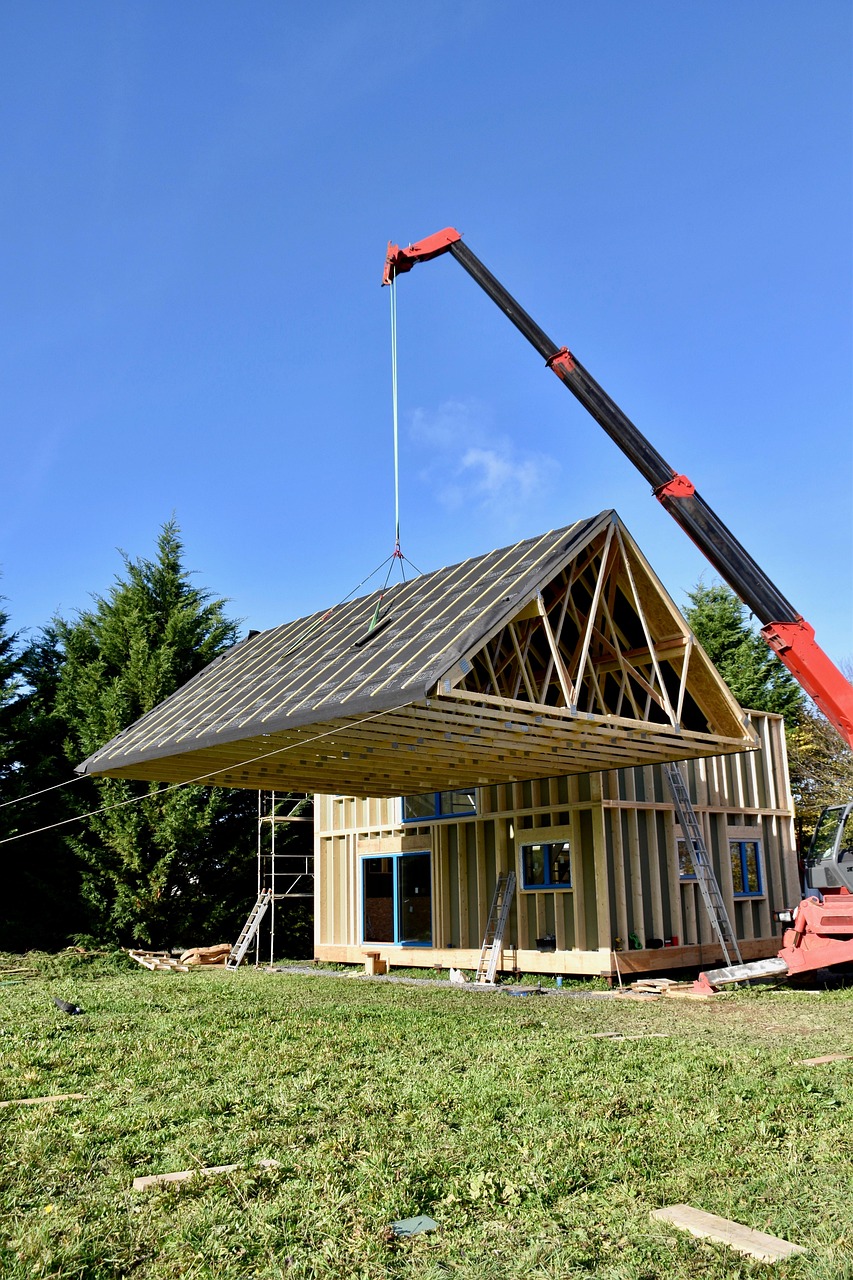
When considering ADUs for rental income, understanding the unique insurance considerations is crucial for protecting your investment. Unlike traditional single-family homes, ADUs present distinct challenges due to their secondary status, size, and potential for higher occupancy. In this dynamic space, a well-structured insurance policy is your strongest defense against unexpected losses and liabilities.
The first step in ADU insurance for rental income is to consult with top-rated ADU management services. These professionals can guide you through the complexities of coverage options, ensuring your policy aligns with local regulations and the specific needs of your property. They'll help you navigate the nuances of insuring a smaller dwelling unit, potentially including provisions for shared walls, additional occupants, and specialized liability scenarios. A licensed ADU contractor can advise on structural integrity concerns, especially if your ADU is an addition to an older home.
When crafting your policy, consider these key areas: general liability coverage to protect against personal injury claims on your property, and property insurance to safeguard against damage or loss. Some policies may also include specific coverage for rental income loss if your ADU becomes uninhabitable. Exploring niche ADU rental ideas, such as co-living spaces or micro-apartments, necessitates a tailored insurance approach, addressing the unique risks and potential for higher occupancy and shared amenities. Engaging with best licensed ADU contractors who understand these intricacies can ensure your insurance strategy keeps pace with your innovative rental concepts.
Why ADU Insurance is Crucial for Your Rental Portfolio

For rental income from ADUs, proper insurance is not just an option-it's a cornerstone of a robust investment strategy. As an experienced ADU landlord, I've learned that insuring your rental portfolio goes beyond protecting your physical assets. It's about mitigating risks, ensuring compliance, and building a stable and secure income stream. ADU insurance policies are designed to cover a range of potential liabilities, from property damage and personal injury to legal expenses related to tenant disputes. This is crucial, as ADUs, especially in high-demand urban areas, can face unique challenges.
When building your ADU investment portfolio, prioritizing effective ADU tenant screening methods is vital alongside securing adequate insurance. A robust screening process helps you identify reliable tenants, minimizing the risk of damage or legal issues. Consider implementing background checks, credit verifications, and reference contacts. Clear lease agreements that outline expectations and policies can prevent disputes, offering legal protection. Many ADU landlords find that a comprehensive insurance policy, combined with stringent screening, significantly reduces potential losses.
Over time, as your ADU portfolio grows, so should your insurance coverage. This might include specialized policies for short-term rentals, property management liability, and even coverage for intellectual property if you're offering unique services. Consulting with an insurance broker who understands the ADU market can help tailor a policy that aligns with your specific needs. Remember, an ADU for rental income is not just another asset; it's a valuable part of a diverse investment strategy, and proper insurance ensures its longevity and profitability.
Identifying Risks: Common ADU Challenges for Rental Owners

When considering ADUs for rental income, understanding the potential risks is crucial. These additional living spaces, while lucrative, present unique challenges for landlords. From construction issues to legal complexities, every aspect of the ADU journey demands careful navigation. One of the most significant considerations is insurance.
Professional ADU consultation costs can vary, but engaging an expert is vital. They can help identify specific coverage needs tailored to your property. An ADU landlord may require separate insurance for the unit itself, liability for guest injuries, and protection against potential structural issues arising from the addition. Unlike traditional home insurance, ADU policies often require specialized coverage options. These might include replacement cost for the ADU structure, which differs from the main house, and additional living expenses if tenants need to move out due to insured events.
Trusted ADU builders' reviews and recommendations are invaluable. They highlight not just the quality of construction but also the insights gained from experienced professionals. For ADU landlords, understanding the potential risks and having the right insurance coverage is key to a successful rental income strategy. A well-planned, insured ADU can provide a steady income stream while ensuring the property remains protected. Regularly reviewing and updating your insurance policy is essential, especially as the ADU market and local regulations evolve.
Choosing the Right Coverage: ADU Insurance 101

When considering ADUs for rental income, choosing the right insurance coverage is a crucial yet often overlooked step. As the number of same-day ADU rental solutions grows, so does the complexity of insuring these short-term rental spaces. Proper insurance protects your investment from unexpected losses and liabilities, offering peace of mind and financial security.
Start by evaluating your policy needs based on the nature of your ADU for rental income. Traditional homeowners policies often exclude rental income and may not cover business-related liabilities. A specialized ADU insurance policy is designed to fill these gaps. These policies typically cover property damage, liability for personal and property injuries, and even loss of rental income if your ADU becomes uninhabitable. A comprehensive policy might cover repairs or rebuilding costs if a tenant causes damage, protecting your investment from costly surprises.
Engaging experienced professionals is key. Consult with a licensed insurance agent who specializes in ADU coverage. They can help tailor a policy to your specific situation, taking into account factors like the type of ADU, its location, and the number of tenants. Partnering with the best licensed ADU contractors ensures your property is built to code and meets safety standards, reducing potential insurance claims. Remember, a professional ADU consultation cost is a small investment compared to the potential savings from avoiding costly claims or legal issues.
Navigating Claims: What to Expect in an ADU Loss

When disaster strikes, a well-prepared ADU landlord is armed with knowledge and a robust claims process. Navigating an ADU loss requires understanding both the insurance coverage and the potential complexities unique to these rental properties. Unlike traditional homes, ADUs often present challenges in terms of policy exclusions, additional living expenses, and the need for specialized repairs.
Let's say a fire damages your affordable ADU for rental income. The first step is to contact your insurance provider immediately. The claims adjuster will assess the damage and determine the scope of work required. In this scenario, you may be eligible for both replacement cost coverage for the physical structure and additional living expenses if you're unable to occupy the ADU while repairs are underway. Trusted ADU builders reviews can guide your selection of a reputable contractor, ensuring quality work and minimizing potential disputes.
Maximizing ADU rental rates isn't just about the initial build; it involves proactive maintenance and swift repairs. A well-maintained ADU not only attracts tenants but also reduces the likelihood of losses that could impact your adu for rental income. Documenting repairs, keeping detailed records, and ensuring compliance with local building codes are essential practices that demonstrate responsible ADU ownership. Addressing small issues promptly can prevent them from escalating into larger, more costly repairs down the line.
Preventive Measures: Securing Your ADU Investment

Protecting your ADU for rental income investment through reliable maintenance and management practices is crucial. While the initial construction or renovation is a significant step, it's only the beginning of a long-term commitment to ensure the property remains in top condition. Engaging top-rated ADU management services can offer valuable insights into market trends and tenant management, but proactive measures are equally important.
Experienced ADU landlords know that consistent, reliable ADU maintenance companies are their secret weapon. Regular inspections, for instance, can identify issues early on, from leaky roofs to faulty electrical systems. A well-maintained ADU not only preserves its value but also minimizes the risk of unexpected repairs that could strain your budget. Keeping meticulous records of all maintenance activities, repairs, and improvements is essential for tax purposes and to demonstrate responsible property management.
Insurance matters in securing your ADU for rental income. Beyond the standard coverage, consider specialized policies tailored to rental properties. These policies often include protection against loss of rental income in case of damage, as well as liability coverage for accidents on the property. Engaging with insurance brokers experienced in ADU rentals can help you navigate these options. Remember, while the upfront costs of insurance may seem significant, they pale in comparison to the potential financial burden of unforeseen events.
Lastly, staying informed about local building codes and regulations is a fundamental aspect of responsible ADU ownership. These rules are designed to ensure safety and maintain the integrity of your property. Understanding the specific requirements for fire safety, accessibility, and energy efficiency can prevent costly retrofits down the line. Engaging with local planning departments and staying up-to-date on industry best practices will not only help you avoid regulatory pitfalls but also enhance the long-term viability of your ADU for rental income.
Local Regulations: Ensuring Compliance for Rental Income

Navigating local regulations is a critical aspect of successfully managing an ADU for rental income. Each city has its own set of rules and codes that can significantly impact the design, construction, and rental potential of your property. Understanding these regulations is essential to ensure compliance and avoid costly legal issues. Building permits, zoning laws, and building safety standards vary widely, and failing to adhere to them can result in fines or even the need for costly retrofits.
For ADUs, local planning departments often have specific guidelines regarding size, zoning, and the number of occupants. These regulations are designed to maintain the safety and quality of life in residential areas. As an ADU landlord, staying informed about these rules is paramount. For rental income tax tips, consider consulting with a financial analyst who specializes in rental properties. They can help you navigate tax deductions, such as expenses related to property maintenance and tenant improvements, which can reduce your overall tax liability.
Efficient rental management is another key to success. Implementing effective ADU tenant screening methods can help you find reliable tenants who will respect your property and pay rent on time. Software reviews of popular rental management platforms can guide you in choosing tools that streamline tenant screening, rent collection, and property maintenance requests. This approach can save you time and money, ensuring your ADU for rental income operates smoothly and in compliance with local laws.
Remember, staying current with local regulations is an ongoing process. Regularly checking in with your city's planning and building departments, as well as consulting with legal and financial experts, will help you maintain compliance and maximize the potential of your ADU for rental income. By adhering to these practices, you can avoid legal pitfalls and build a successful and sustainable rental business.
Maximizing Returns: ADU Insurance Best Practices

Protecting your investment in an affordable multi-generational ADU for rental income requires a strategic approach to insurance. As the ADU rental market trends 2023 indicate continued growth, maximizing returns demands a deep understanding of risk management. Top-rated ADU management services often emphasize insurance as a cornerstone of their strategies, and for good reason.
An ADU for rental income faces unique challenges compared to traditional properties. It's crucial to ensure coverage for potential liabilities, such as injuries on the property and damage to tenant belongings. General liability insurance is essential, but specialized ADU policies may offer broader protection. Consider property damage coverage that accounts for the unique construction and design aspects of ADUs, including any potential structural issues or unforeseen material defects.
When selecting an insurance plan, review the policy's deductibles and limits. A higher deductible might be acceptable if the premium is significantly lower, but it should align with your financial comfort level. Consult with local real estate boards and planning departments to stay informed about any specific insurance requirements or common issues in your area. Staying proactive ensures compliance and peace of mind, allowing you to focus on growing your ADU for rental income portfolio while knowing your investment is secure.
Frequently Asked Questions About ADU Insurance: Protecting Your Rental Investment
What is an Affordable Multi-Generational ADU, and Why Is Insurance Important? An Affordable Multi-Generational ADU (AMGA) is a housing unit added to a property to accommodate multiple generations, often with separate living spaces. Insurance is crucial for AMGA owners because it protects your investment from potential risks, including liability claims, property damage, and loss of rental income. It ensures that you and your tenants are covered in case of unforeseen events.
What Types of Insurance Do I Need for My ADU? You'll typically need three main types of insurance: 1) Property Insurance to cover the structure and its contents, 2) Liability Insurance to protect against claims of bodily injury or property damage, and 3) Rental Income Insurance (if you're renting out the ADU) to replace lost rental income if the unit becomes uninhabitable.
How Does ADU Insurance Differ From Standard Homeowner's Insurance? Standard homeowner's insurance typically doesn't offer adequate coverage for rental properties or multi-dwelling units. ADU insurance policies are tailored to address the unique risks associated with these types of properties, including increased liability exposure and potential issues related to multiple occupants.
Do I Need ADU Insurance If I Live in the Unit Myself? Even if you reside in the ADU, you still need insurance to cover your personal belongings and liability. ADU insurance policies are designed to protect both the structure and your personal assets, ensuring you're covered regardless of where you live within the property.
How Much Does ADU Insurance Cost, and What Factors Affect the Premium? ADU insurance costs vary based on several factors, including the property's location, size, age, and construction materials. Other factors include the level of coverage you choose, your credit history, and claims history. Most policies are renewable annually, and the premium can be included in your mortgage or paid separately.
Can I Get Discounts on ADU Insurance? Yes, you may be eligible for discounts on your ADU insurance policy. Common discounts include those for installing security systems, fire alarms, or having a good credit history. Some insurance companies also offer bundle discounts when you combine ADU insurance with your auto or home insurance policies.
As ADUs become a vital component of the rental income landscape, protecting your investment through comprehensive insurance is non-negotiable. This article has explored the multifaceted world of ADU for rental income, from understanding the unique risks associated with these additional living spaces to navigating the local regulations that govern them. We've seen that ADU landlords face specific challenges, such as property damage, liability claims, and legal disputes, necessitating tailored insurance coverage. By choosing the right policy, managing claims efficiently, and staying compliant with local building codes, you can secure your ADU investment and maximize its potential. Moving forward, consider these key takeaways: assess your risk profile, engage reputable insurance brokers, and stay informed about evolving local regulations. With these best practices in place, you'll be well-positioned to thrive in the ADU rental market.
ADU for Rental Income: Navigating Insurance, Regulations, and Maintenance for Optimal Returns
- Insurance is critical: Understand ADU-specific coverage needs for property damage, liability, and rental income loss. Consult top-rated ADU management services for tailored policies.
- Regulatory compliance: Stay informed about local building codes, zoning laws, and rental regulations to avoid fines and legal issues.
- Proactive maintenance: Regular inspections and reliable maintenance companies prevent issues, reduce repair costs, and maintain property value.
- Tax-smart strategies: Consult financial analysts for rental tax tips, maximizing deductions for maintenance and improvements.
- Efficient tenant management: Implement robust screening methods and use rental management software to ensure reliable tenants and smooth operations.
- Stay updated: Keep abreast of local market trends, industry best practices, and regulatory changes to maximize your ADU for rental income potential.