
The growing popularity of ADUs for rental income has made them a crucial element of urban housing strategies. However, this rapid expansion has also brought to light a critical issue: ensuring the quality and safety of these additional dwellings. The demand for ADU construction and renovation services outstrips the supply of licensed and experienced contractors, leading to potential risks for homeowners and tenants. This article examines the importance of licensed ADU contractors in mitigating these risks, exploring legal requirements, construction best practices, and strategic market analysis to ensure the safety and success of ADU for rental income ventures. By understanding these factors, landlords, property managers, and investors can navigate the ADU market with confidence, promoting both quality construction and tenant satisfaction.
- Understanding ADU Licensing Requirements for Rental Income
- Selecting Qualified ADU Contractors: Expert Tips
- ADU Safety Standards: A Practical guide
- Quality Assurance: Inspecting ADU Construction
- Efficient ADU Installation: Best Practices for Time and Cost
- Code Compliance: Ensuring Legal ADU Rental Properties
- ADU Rental Income: Maximizing Property Value and Safety
- Building Relationships: Long-Term Success with ADU Contractors
Understanding ADU Licensing Requirements for Rental Income
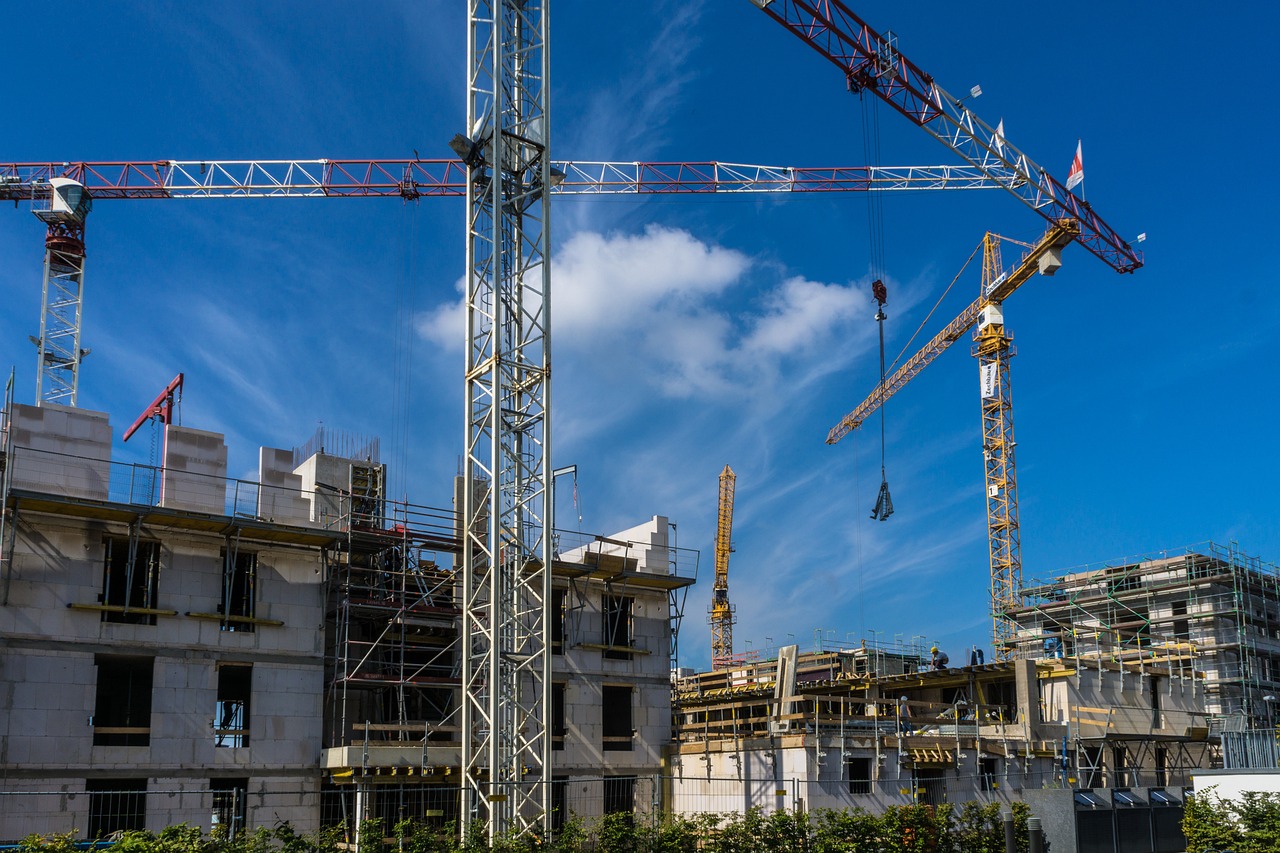
Understanding the licensing requirements for ADUs focused on rental income is paramount for both landlords and contractors. Each jurisdiction has its own set of rules, but many share common elements. Most require ADU contractors to be licensed in order to legally construct and renovate these additional living spaces. This licensing ensures that contractors meet safety standards and employ effective ADU tenant screening methods, protecting both the property and its future tenants.
In many areas, the local Planning Department oversees ADU permits and licensing. Landlords and contractors must ensure they comply with all relevant codes and regulations. This includes understanding the specific requirements for same-day ADU rental solutions, which often require faster construction and quicker permit processes. Some cities streamline the permitting for emergency ADU rentals near me, recognizing the need for temporary housing in disaster situations or for those in need of immediate housing.
Financial analysts and real estate market researchers emphasize the importance of navigating these regulations to maximize rental income. ADU landlords can face significant fines for operating without the proper licenses. Failure to adhere to safety standards can result in legal action and damage to the property's resale value. Therefore, it's crucial to work with licensed contractors who understand the nuances of ADU for rental income, ensuring both the legality and safety of the units.
Regular updates from Real Estate Boards and the IRS are essential for staying informed. Tax implications, such as how to accurately report rental income from ADUs, play a significant role in a landlord's financial strategy. By staying current with legal and tax requirements, contractors and landlords can avoid costly mistakes and ensure their ADU rental solutions are both profitable and compliant.
Selecting Qualified ADU Contractors: Expert Tips
Selecting qualified ADU contractors is a crucial step in maximizing the potential of your ADU for rental income. With the ADU rental market trends 2023 showing consistent growth, ensuring the quality and safety of your property is paramount. This is not just about aesthetics; it involves structural integrity, compliance with local codes, and adherence to tenancy laws, which can be complex given the unique aspects of ADUs.
When choosing a contractor, start by verifying their licenses and certifications. Check with your local Planning Department and Real Estate Boards to ensure they meet the necessary requirements. Many contractors specialize in ADU installations, reflecting their expertise in navigating the specific needs of these properties. A contractor with experience in working with local building inspectors will be familiar with the permit process, ensuring your ADU complies with all regulations, a key ADU rental income tax tip.
Beyond licensing, consider their reputation and portfolio. Online review platforms and past clients can provide valuable insights into a contractor's reliability and quality of work. Look for consistent positive feedback regarding their professionalism, timeliness, and attention to detail. This is especially important when dealing with interior design and renovations, as these can significantly impact the appeal and value of your ADU. Modern ADU rental management software reviews highlight tools that help landlords efficiently manage properties, from tenant screening to rent collection, ensuring a streamlined and profitable ADU for rental income experience.
Lastly, establish clear communication and set expectations from the outset. Discuss timelines, budget, and any specific requirements to ensure both parties are aligned. Regular communication throughout the construction process is crucial for addressing unforeseen challenges promptly. By following these expert tips, you can not only ensure the safety and quality of your ADU but also maximize its return on investment in the competitive ADU rental market.
ADU Safety Standards: A Practical guide
Ensuring safety in Accessory Dwelling Units (ADUs) for rental income is paramount. ADUs have become a popular investment opportunity, but they come with unique safety considerations. Unlike traditional rentals, ADUs are often located on a property with primary residences, necessitating careful navigation of potential hazards and code requirements. Trusted ADU builders reviews can be a valuable resource for identifying contractors who prioritize safety and adhere to local regulations.
One key aspect is obtaining the necessary permits from local planning departments. These permits ensure that the ADU construction meets building codes, including safety standards for electrical, plumbing, and structural integrity. A general contractor who specializes in ADU installations will be familiar with these requirements and can guide you through the permitting process. Once construction is complete, a thorough building inspection is crucial to verify compliance with safety regulations. Building inspectors, trained to identify potential hazards, play a vital role in ensuring the ADU is a safe living space for tenants.
Beyond adherence to codes, consider proactive safety measures. Well-designed ADUs incorporate safety features like smoke detectors, carbon monoxide detectors, and fire extinguishers, which can enhance tenant security and potentially increase rental rates. Some trusted ADU builders offer packages that include these safety upgrades as standard features. Proper insulation, quality windows, and efficient heating and cooling systems contribute to a safe and comfortable living environment, further maximizing the potential for ADU rental income. Remember, a safe and well-maintained ADU is a sound investment that attracts responsible tenants and promotes long-term rental success.
Quality Assurance: Inspecting ADU Construction

Ensuring quality and safety in ADU construction for rental income is paramount to protect both tenants and landlords. An essential component of this is thorough inspection at every stage of the build. Licensed ADU contractors should employ experienced building inspectors who understand the unique requirements of these additional units. Emergency ADU rentals near me often highlight the need for robust construction, as these structures may serve as temporary homes for tenants while their permanent residences are being built or repaired.
Inspectors should verify that the ADU meets local building codes, focusing on structural integrity, electrical systems, plumbing, and fire safety. They must ensure the insulation, ventilation, and lighting are adequate for comfort and energy efficiency. For rental income properties, these factors can significantly impact the long-term value and appeal of the ADU, affecting its rental potential. Top-rated ADU management services often emphasize the importance of pre-tenancy inspections to identify and rectify any issues before a tenant moves in.
During construction, regular site visits by the inspector can help catch potential problems early. This includes checking for proper framing, level floors, and straight walls. The inspector should also verify that the ADU is adequately secured to the main structure, ensuring against structural issues that could lead to unsafe conditions or increased insurance premiums. They must assess the quality of materials used, looking for signs of substandard workmanship or the use of non-code-compliant products.
Experienced ADU landlords often share advice on the importance of detailed records. Landlords should maintain comprehensive documentation of all inspections, repairs, and maintenance activities. This not only aids in tracking the property's condition but also serves as a valuable reference for future projects. By implementing these quality assurance practices, ADU contractors can ensure that each unit they build meets the highest standards, providing safe and attractive rental options for prospective tenants.
Efficient ADU Installation: Best Practices for Time and Cost
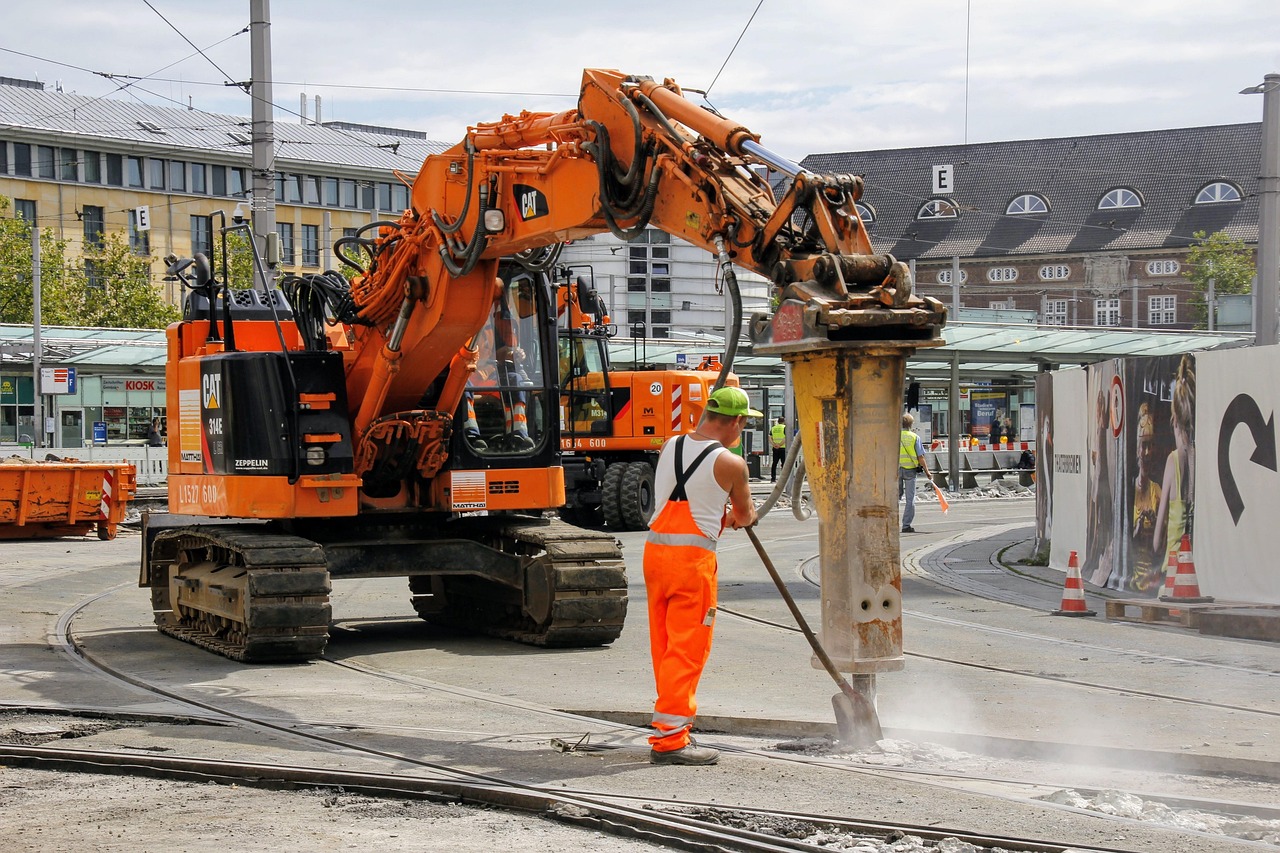
Efficient ADU Installation: Streamlining the Process for Optimal Rental Returns
To maximize the profitability of your ADU for rental income, efficient installation is paramount. The key lies in meticulous planning and the selection of reliable contractors. Start by assessing your local market and identifying contractors with a proven track record in ADU installations. Focus on companies that have experience with emergency ADU rentals near me, as these situations often highlight a contractor's adaptability and responsiveness. This is crucial in a market where rental demand can fluctuate rapidly.
Consider the entire installation process as a single, integrated project. Effective coordination among architects, general contractors, and building inspectors ensures that the project stays on schedule and within budget. Reliable ADU maintenance companies can also be integrated into the mix, providing post-installation support that will be appreciated by prospective tenants. By maintaining a close eye on each step, you can avoid costly delays and unexpected expenses, which are detrimental to both your bottom line and tenant satisfaction.
ADU rental market trends 2023 indicate a growing preference for well-designed, functional spaces. Therefore, invest in quality materials and thoughtful design elements that enhance the overall appeal and functionality of the unit. This doesn't have to be an expensive endeavor; strategic choices, such as incorporating energy-efficient appliances or choosing versatile flooring options, can significantly impact the unit's desirability. Ensure that the installation meets or exceeds local building codes and safety standards, as this is a critical factor in securing favorable tenant reviews on online platforms.
Code Compliance: Ensuring Legal ADU Rental Properties

Ensuring code compliance is paramount when converting a property for ADU for rental income. Experienced ADU landlords know that adhering to local building codes and regulations is not just a legal requirement but also a cornerstone of successful long-term investments. Local Planning Departments and Real Estate Boards enforce these rules to protect tenants and maintain neighborhood standards. Landlords who cut corners on safety and code compliance risk costly legal issues, property damage, and the potential loss of rental income.
A key part of code compliance involves understanding and following Tenancy Laws and IRS guidelines. These laws dictate everything from rental agreements to tax considerations for ADU landlords. Same-day ADU rental solutions, while appealing, may require careful navigation of these regulations to ensure that short-term rentals comply with local tenancy laws. Engaging with licensed and experienced ADU contractors who are familiar with these legal intricacies can help landlords avoid pitfalls.
For construction and design, hiring qualified professionals is essential. Architects and General Contractors who specialize in ADUs can ensure that the property meets all safety standards. Building Inspectors play a vital role in certifying that the work complies with local codes. Interior Designers can also contribute to the property's appeal while ensuring that design elements meet code requirements. Cost-effective ADU advertising strategies, such as leveraging online platforms and local real estate market analysts, can help attract tenants once the property is ready, further enhancing the return on investment.
Regular inspections and maintenance are critical to maintaining code compliance over time. Landlords should establish a routine for checking that the property meets safety and health standards. Property managers can play a significant role in this regard, coordinating with contractors and service providers as needed. By prioritizing code compliance, experienced ADU landlords can protect their investments, maintain tenant satisfaction, and avoid the potential financial and legal consequences of non-compliance.
ADU Rental Income: Maximizing Property Value and Safety

Maximizing ADU for Rental Income: A Balancing Act Between Value and Safety
For landlords looking to tap into the lucrative rental market of ADUs (Accessory Dwelling Units), prioritizing quality and safety is non-negotiable. While the potential for increased rental income is significant, particularly in high-demand urban areas, the construction and management of these units require careful consideration. One of the best ways to ensure a robust return on investment is to partner with experienced, licensed ADU contractors. These professionals bring a wealth of knowledge to the table, from understanding local building codes and regulations to mastering efficient, safe construction practices.
Experienced ADU contractors are adept at navigating the unique challenges of ADU installation, from permitting processes to ensuring compliance with tenancy laws and IRS regulations. They know how to structure rental agreements to protect both landlords and tenants, while also leveraging the latest ADU rental management software to streamline tasks like tenant screening, rent collection, and maintenance requests. By leveraging these tools, landlords can minimize their involvement in day-to-day management, freeing up time to focus on strategic growth and maximizing rental income.
Safety is paramount for ADUs, especially in areas prone to natural disasters. Top-tier licensed contractors prioritize structural integrity and incorporate disaster-resistant building techniques to protect both the property and its occupants. They stay abreast of emerging trends in ADU design and technology, integrating features like smart home automation and energy-efficient systems that not only enhance tenant appeal but also contribute to long-term property value. Emergency ADU rentals near me have become increasingly popular as a temporary housing solution after natural disasters, underscoring the need for safe, well-constructed units.
Working with reputable, licensed ADU contractors is key to achieving the full potential of ADUs for rental income. By combining expertise in construction, design, and rental management, these professionals can help landlords create not only profitable rental spaces but also safe, durable, and appealing homes for tenants. This strategic approach ensures a solid investment, with a balanced focus on maximizing property value and upholding the highest safety standards.
Building Relationships: Long-Term Success with ADU Contractors

Building strong, lasting relationships with licensed ADU contractors is a cornerstone of successful ADU for rental income investments. These professionals bring expertise in niche ADU rentals ideas, from design and construction to compliance with local building codes and tenancy laws. Engaging their services goes beyond the initial project; it's an ongoing partnership for property management, maintenance, and maximizing returns.
A landlord might initially hire a contractor for an affordable ADU conversion, taking advantage of the growing real estate market. Over time, they may require the contractor's expertise again for renovations to keep the property competitive or for addressing complex issues like plumbing or electrical repairs. A professional ADU consultation cost, while not insignificant, pales in comparison to the long-term benefits of a reliable contractor who understands the unique needs of ADU rentals.
The key to cultivating these relationships lies in clear communication, detailed project scopes, and mutually beneficial contracts. Landlords should actively seek referrals from other ADU landlords, real estate market analysts, and property managers who have worked with reputable contractors. Online review platforms can also provide insights, but it's crucial to verify the information and consider the overall track record. Regular site visits, progress updates, and addressing any concerns promptly are essential for building trust and ensuring the quality and safety of the ADU for rental income.
Staying up-to-date with local regulations and building trends allows both landlords and contractors to collaborate effectively. Regular consultations with local planning departments and real estate market researchers can help identify emerging niche ADU rental opportunities, ensuring that investments remain profitable and compliant. By fostering these relationships, ADU landlords can achieve their financial goals while providing safe, quality living spaces for tenants.
Frequently Asked Questions About Licensed ADU Contractors: Ensuring Quality and Safety
What is an ADU and why is licensing important? An Accessory Dwelling Unit (ADU) is a secondary residential unit built within or on the property of an existing home. Licensing is crucial to ensure that ADU contractors adhere to building codes, safety standards, and local regulations, protecting homeowners from substandard construction and potential hazards.
How do I know if a contractor is properly licensed? Check the contractor's license number and verification status with your state's or local regulatory body. Licensed contractors are required to display their credentials, and their permits and insurance policies should be readily available upon request.
What qualifications should I look for in an ADU contractor? Look for contractors with proven experience in ADU construction, relevant trade certifications (e.g., in plumbing, electrical work), and a history of successful projects. Check references and ask for examples of their work to ensure they meet your quality standards.
Are there specific safety measures I should expect from a licensed ADU contractor? Yes, licensed contractors should follow all applicable safety protocols, including proper waste management, dust control, and worker safety. They should also utilize up-to-date tools and equipment and have procedures in place to mitigate potential risks during construction.
What if I'm not happy with the contractor's work? What are my options? If you're dissatisfied, document the issues and contact the contractor directly to resolve them. If that fails, you may file a complaint with the licensing authority or seek legal advice. It's essential to have a clear contract outlining expectations and dispute resolution processes.
How much does it typically cost to hire a licensed ADU contractor? Costs vary widely based on the project size, complexity, and your location. Obtain multiple quotes from licensed contractors, compare services, and consider the total cost, including permits, materials, and labor. A detailed contract will help manage expectations regarding pricing and payment terms.
What documentation should be provided before starting a project? Before work begins, contractors should provide a detailed proposal outlining the scope of work, materials, timelines, and costs. A clear contract, permits, and insurance documents are essential to protect both you and the contractor.
As ADU for rental income becomes an increasingly popular investment strategy, understanding the key aspects of licensing, construction, and safety is crucial for success. This article has explored the practical guide to navigating the complex world of ADU contractors, providing essential insights for landlords and property managers.
From comprehending licensing requirements to ensuring code compliance, each step is vital in maximizing property value and tenant safety. Selecting qualified contractors, implementing quality assurance, and adhering to safety standards are foundational practices that protect investments and build long-term relationships. Efficient installation methods and strategic financial planning, as discussed, can significantly impact the bottom line.
The most important takeaway is the holistic approach to ADU development. It's not just about construction; it's about creating legal, safe, and profitable rental spaces. By following these guidelines, landlords can confidently navigate the ADU market, make informed decisions, and achieve sustainable success in their rental income ventures.
Selecting licensed ADU contractors is crucial for maximizing rental income. Understanding local regulations, including permit processes and tenancy laws, ensures compliance and minimizes legal risks. Reputable contractors specializing in ADUs can navigate these complexities, providing quality construction, effective tenant screening, and efficient management. Regular communication, clear contracts, and ongoing collaboration with contractors are key to successful ADU for rental income investments. By prioritizing safety, code compliance, and strategic partnerships, landlords can create profitable, appealing, and compliant ADU properties.