
In today's dynamic real estate market, exploring alternative income streams from properties has become increasingly vital for financial stability and growth. The rise of Accessory Dwelling Units (ADUs) as a rental option offers both opportunities and challenges for property owners. This article examines the intricate landscape of ADU for rental income, providing insights into its potential benefits and drawbacks. By navigating the legal aspects with local planning departments and understanding the real estate market dynamics, landlords can make informed decisions. We'll explore strategic construction, design considerations, and effective management techniques, offering a practical guide for those looking to capitalize on this burgeoning trend.
- Understanding ADUs: Their Role in Rental Income
- Legal Considerations for Renting Out ADUs
- Evaluating Property's Suitability for ADU Conversion
- Cost Analysis: Building and Renting Out Your ADU
- Market Trends in ADU Rental Income Potential
- Attracting and Screening Ideal Tenants for Your ADU
- Managing and Maximizing ADU Rental Income
- Long-Term Benefits and Drawbacks of ADU Rental
Understanding ADUs: Their Role in Rental Income

ADUs (Accessory Dwelling Units) have emerged as a strategic option for those looking to diversify their rental income. Their potential to provide additional living space and generate revenue is significant, particularly in areas with high housing costs. However, navigating the complexities of local ADU regulations and permits is crucial for success. Many regions have specific guidelines regarding the conversion and rental of these secondary units, ensuring they meet safety, zoning, and building codes.
The process might involve obtaining a permit from the local Planning Department, ensuring the ADU complies with building standards, and registering with the Real Estate Boards to legally rent out the space. Same-day ADU rental solutions have gained popularity, offering a swift way to maximize income. These services streamline the process from application to occupancy, appealing to landlords seeking immediate returns. However, long-term success requires a deeper understanding of the market and effective management strategies.
Top-rated ADU management services can provide valuable expertise, handling everything from tenant screening to maintenance. They offer insights into the local real estate market, helping landlords set competitive rental rates. By employing these services, ADU landlords can focus on maximizing income while minimizing hassle. A well-managed ADU can yield a substantial return on investment, covering mortgage costs and providing a steady cash flow. Yet, it's essential to weigh these benefits against the challenges, such as vacancy rates and property taxes, to make informed decisions regarding ADU for rental income.
Legal Considerations for Renting Out ADUs

Renting out an ADU (Accessory Dwelling Unit) for rental income presents a compelling opportunity, but it's not without its legal complexities. Understanding these considerations upfront is crucial for ADU landlords, as they can vary widely based on local regulations and property type.
The first step involves navigating local planning departments and real estate boards to ensure compliance with zoning laws and building codes. Many cities have specific regulations regarding ADU construction, use, and rental, so thorough research is essential. Some areas mandate certain safety features, like smoke detectors and carbon monoxide alarms, while others have restrictions on the number of occupants or parking. The IRS also plays a role, with tax implications for both the landlord and tenants, particularly regarding short-term rentals and deductions for property taxes and mortgage interest.
Reliable ADU maintenance companies are an indispensable asset in navigating these complexities. They can help landlords stay up-to-date with local regulations and ensure the property meets safety standards. With the ADU rental market trends 2023 indicating steady growth, particularly in urban areas, there's a growing demand for unique and niche ADU rental ideas. Landlords can differentiate themselves by offering fully furnished units or specialized accommodations tailored to specific demographics, like students or digital nomads. This not only attracts tenants but also simplifies the management process for property managers or individual landlords.
Evaluating Property's Suitability for ADU Conversion

Evaluating a property's suitability for ADU conversion is a crucial step in maximizing its rental potential. Several factors must be considered before embarking on this project. First, assess the property's zoning regulations and local building codes. Consult with your local planning department and real estate boards to ensure the property allows for ADU conversions and understand any specific requirements or restrictions. Certain neighborhoods might have specific design guidelines or historical preservation rules.
The condition of the existing structure is another critical aspect. Engage a professional ADU consultation service to assess the property's structural integrity, electrical, and plumbing systems. This step is essential as it determines the extent of renovation needed. While some ADU conversions involve minimal alterations, others may require significant renovations, impacting both the timeline and budget. A thorough inspection can help you avoid unexpected costs and delays, ensuring a successful ADU for rental income.
Insurance coverage is also a vital consideration. ADU landlords should explore specific insurance options tailored to cover the unique aspects of renting out an ADU. This may include separate coverage for the ADU itself, as well as liability protection in case of accidents or damage within the property. Understanding the available insurance coverage options can protect your investment and provide peace of mind. Some insurance providers offer specialized packages for rental properties, including ADUs, which can bundle home and tenant insurance for convenience and cost savings.
Lastly, consider the property's location and target market. Conduct a thorough market analysis using tools and insights from real estate market researchers and local ADU landlords. This analysis should help you identify the demand for niche ADU rental ideas in your area. Understanding the local real estate market allows you to price your ADU competitively while ensuring it appeals to potential tenants. By weighing these factors, you can make an informed decision about whether converting your property into an ADU for rental income is the right move for your investment strategy.
Cost Analysis: Building and Renting Out Your ADU
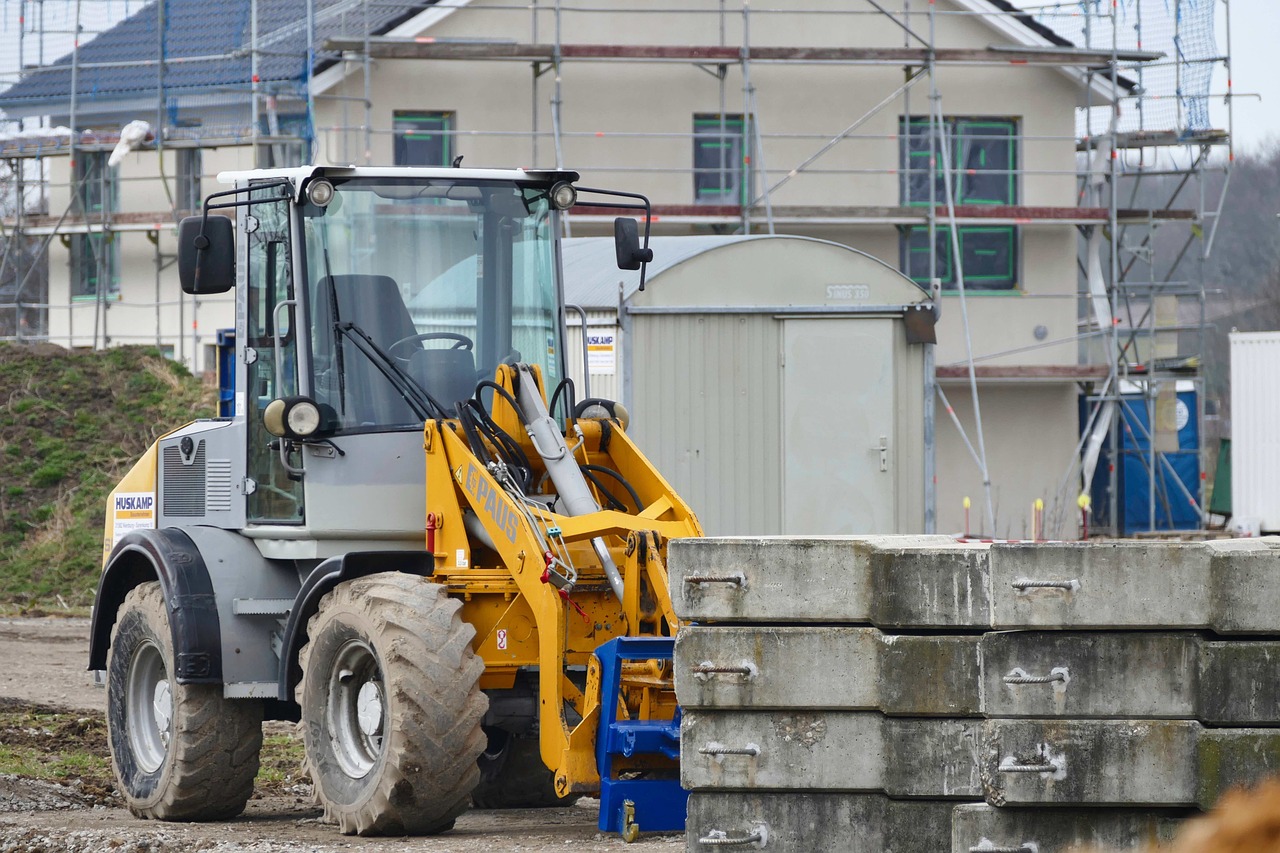
Building and renting out an ADU for rental income involves a detailed cost analysis, balancing significant upfront investments against potential long-term gains. While the initial construction costs can vary widely based on location, size, and quality of finish, a typical ADU project in desirable urban areas might range from $50,000 to $200,000. This includes permits, labor, materials, and professional services. Engaging an architect to design the space and a general contractor to oversee construction can add 15-25% to the total cost.
However, these investments can be offset by the rental income generated from nearby ADU rentals available. In a vibrant real estate market, these returns can be even higher. To maximize profitability, consider cost-effective ADU advertising strategies. Leveraging online review platforms and social media advertising can significantly reduce marketing costs while still attracting a steady stream of interested tenants.
Before examining ADU for rental income, seeking professional ADU consultation is crucial. Engaging the services of a local real estate expert or an urban planning consultant can cost between $2,000 and $5,000, depending on the complexity of the project. While this initial expense might seem steep, their guidance can help navigate the legal landscape, including tenancy laws and IRS regulations, ensuring your ADU complies with all local and federal requirements. Understanding these nuances is essential to avoiding future legal complications and maximizing the return on your investment.
Market Trends in ADU Rental Income Potential

The market trends in ADU (accessory dwelling unit) rental income potential have garnered significant attention with many property investors and landlords recognizing the significant financial opportunities they offer. According to top-rated ADU management services, the demand for rental properties, including ADUs, has been steadily rising, driven by a combination of factors such as population growth, urbanization, and a shift in lifestyle preferences. This surge in demand has led to a corresponding increase in rental income, making ADUs an attractive investment option for those seeking a steady, passive income stream.
Trusted ADU builders reviews highlight the growing popularity of converting underutilized spaces into rentable ADUs. The process involves careful design, construction, and compliance with local zoning laws and tenancy regulations. In many urban areas, affordable ADUs for rental income are being developed as a solution to housing shortages, providing both a source of income for property owners and much-needed housing for renters. The construction and design process can be complex, requiring the expertise of architects, general contractors, and building inspectors to ensure compliance and quality. However, the potential return on investment is significant, with rental income often exceeding mortgage payments, especially in areas with high real estate values.
Real estate market analysts project that the ADU market will continue to grow, with an increasing number of landlords recognizing the stability and diversity of ADU rental income. The key to success lies in thorough market analysis and strategic location selection. For rental income, areas with high population density, strong job markets, and affordable living costs tend to be most favorable. Online review platforms and local ADU landlords provide valuable insights into tenant preferences, helping property managers tailor their offerings to meet the needs of a diverse renter demographic. By carefully weighing the pros and cons, including the potential for high rental income, property owners can make informed decisions about whether an ADU is the right investment for them.
Attracting and Screening Ideal Tenants for Your ADU

Attracting and screening ideal tenants for your ADU for rental income is a critical step that can make or break your investment. The process begins with understanding your target market and identifying the right tenants who will not only pay their rent on time but also take care of your property. One effective strategy is to leverage professional ADU consultation services. These experts can provide valuable insights into local tenancy laws, market trends, and even help with the screening process. They might suggest a combination of background checks, credit score analysis, and previous landlord references to ensure you find responsible tenants.
For screening, consider the following: first, assess each applicant's financial stability to ensure they can cover the rental cost and any additional expenses, such as ADU insurance coverage options. This might involve verifying employment, income, and rental history. Second, look for tenants who share your values and respect for the property. You can achieve this by asking about their lifestyle, expectations, and how they've maintained previous residences. Third, establish clear terms and expectations from the beginning. This includes outlining the rent amount, due dates, and any rules or restrictions specific to the ADU.
Once you've identified promising applicants, consider offering same-day ADU rental solutions to expedite the process. This can be particularly appealing in a competitive real estate market where quick decisions are often necessary. However, don't rush the screening process; thoroughness is key to ensuring you find the best fit for both your property and your tenants. Remember, happy tenants are more likely to stay long-term, providing stable and consistent rental income for your ADU for rental income.
Managing and Maximizing ADU Rental Income
Managing and maximizing ADU rental income requires a strategic approach that blends market savvy with effective property management. To achieve this, ADU landlords should consider leveraging niche rental ideas tailored to local demands. Emergency ADU rentals near me have seen increasing demand, particularly in areas with a high cost of living or limited housing options. By catering to these specific needs, landlords can command premium rates.
A crucial aspect of maximizing ADU rental rates is understanding the local real estate market. Real estate market analysts suggest that landlords should invest in quality construction, modern amenities, and strategic marketing to attract high-quality tenants. A newly renovated ADU with smart home features and close proximity to local amenities can attract a steady stream of interested applicants, allowing for higher rental income.
Financial analysts recommend a comprehensive maximization guide that includes meticulous accounting and strategic pricing. Landlords should carefully consider the balance between maximizing rental rates and maintaining low vacancy rates. An effective strategy involves setting rates competitive with similar properties but with a slight premium for unique features or prime locations. An ADU in a sought-after neighborhood with excellent schools and public transport might command a higher rate, offsetting any potential vacancy periods.
To ensure success, ADU landlords should partner with reputable property managers who can handle day-to-day operations, tenant screening, and maintenance requests. This allows landlords to focus on strategic decision-making and maximizing their ADU for rental income. By combining market insights, strategic pricing, quality construction, and efficient property management, landlords can achieve the full potential of their ADU, generating substantial and consistent rental income.
Long-Term Benefits and Drawbacks of ADU Rental

Renting out an ADU (Accessory Dwelling Unit) for income can be a lucrative venture, but it comes with a unique set of long-term benefits and drawbacks that potential landlords should weigh carefully. While the initial setup costs can be significant, ADUs offer a compelling investment opportunity, especially in areas with high housing costs. Over the long term, these rental properties can provide a steady and often substantial income stream, serving as a valuable asset for property owners.
One of the primary advantages is the potential for significant ADU rental income tax benefits. According to the IRS, landlords may be eligible for deductions related to mortgage interest, property taxes, and depreciation, which can substantially reduce their tax liability. The passive income generated from ADU rentals can contribute to financial stability and even enable some owners to supplement their primary income. A well-managed ADU could cover the cost of a mortgage and generate a comfortable surplus. As the real estate market fluctuates, ADUs provide a level of diversification in a landlord's portfolio, mitigating risk compared to relying solely on traditional rental properties.
However, the long-term picture also reveals potential challenges. The initial construction and design costs for ADUs can be substantial, with prices varying based on location and complexity. In some areas, permits and building codes may add to these expenses. Managing ADU rentals requires a different approach than managing a single-family home. Landlords must consider issues like tenant screening, property maintenance, and local tenancy laws, which can be more complex in multi-unit settings. To navigate these challenges effectively, ADU landlords should explore cost-effective advertising strategies, such as leveraging online platforms and social media, to attract reliable tenants. By implementing robust systems for tenant management and property maintenance, they can ensure their ADUs remain well-maintained and attract nearby ADU rentals available consistently.
Frequently Asked Questions About The Pros and Cons of Renting Out ADUs: Weighing the Benefits
What is an ADU, and how can renting one out be beneficial?
An Accessory Dwelling Unit (ADU) is a separate residential structure on a property, such as a garage conversion, basement apartment, or detached unit. Renting out an ADU can be a lucrative opportunity for property owners. Benefits include additional rental income, diversification of income streams, and potential tax advantages. It can also help alleviate housing shortages and provide affordable housing options in some areas.
What are the legal considerations when renting out an ADU?
Local zoning laws and building regulations heavily influence the legality of ADU rentals. Check with your local government to ensure your ADU complies with these rules. You may need permits, and there might be restrictions on the number of ADUs per property or specific requirements for parking and safety. Consulting a legal professional or a real estate agent familiar with ADU regulations is advisable.
What are the potential drawbacks of renting out an ADU?
While ADUs offer financial benefits, there are also considerations. Increased noise and privacy concerns from roommates or tenants can impact the property's desirability. Property maintenance and repairs become your responsibility, potentially adding to expenses. Finding reliable tenants and managing rental agreements can be challenging, and legal issues may arise if not handled correctly.
How much time and effort is required to manage an ADU rental?
The level of effort varies. For some, it's minimal, relying on property managers or online rental platforms. Others take an active role, screening tenants, handling repairs, and collecting rent. The time investment depends on your comfort level, the local rental market, and the number of ADUs you manage.
Are there tax benefits to renting out an ADU?
Yes, potential tax advantages exist. Renting an ADU may qualify as passive income, offering tax deductions for expenses like mortgage interest, property taxes, and maintenance. Consult a tax professional for personalized advice, as rules and benefits vary based on location and individual circumstances.
Can an ADU increase the value of my property?
ADUs can significantly enhance property value, especially in areas with high housing demand. They provide additional living space, which is attractive to buyers. The impact on property value depends on the quality of construction, market conditions, and local housing trends.
The potential of ADUs as a source of rental income is a complex yet rewarding endeavor. By navigating the legal landscape, strategically evaluating property suitability, and understanding market trends, landlords can successfully convert their properties and maximize returns. The article has highlighted the diverse considerations involved in this process, from construction costs and tenant screening to long-term benefits and drawbacks. Key takeaways include the importance of local planning regulations, the impact of the real estate market on rental rates, and the value of strategic property management. For those considering ADUs for rental income, the next steps involve thorough research into local laws, consultation with experts like architects and property managers, and a comprehensive analysis of their property's potential. With the right approach, ADUs can offer substantial financial gains while contributing to the evolving urban landscape.
ADUs for Rental Income: Weighing the Benefits and Challenges
Renting out ADUs offers substantial rental income potential, especially in high-cost areas. Success requires understanding local regulations, screening tenants, and managing properties effectively. Long-term benefits include tax deductions, passive income, and portfolio diversification. Challenges include initial costs, legal complexities, and tenant management. Leveraging ADU experts, staying informed on market trends, and strategic pricing maximize returns.