
The rapid growth of Accessory Dwelling Units (ADUs) for rental income has transformed urban landscapes, offering both opportunities and legal complexities. As more homeowners explore this lucrative option, navigating the intricate web of local regulations, tax implications, and tenant rights becomes paramount. This article examines the critical legal and regulatory aspects surrounding ADUs for rental income, providing essential insights to guide property owners and managers. We'll explore the interplay between local planning departments, real estate boards, tenancy laws, and the IRS, offering practical strategies for successful and compliant ADU rentals.
- Understanding ADU Legal Framework: Essential Regulations for Rental Income
- Local Zoning Laws: Permitting ADUs for Rent in Your Area
- Property Standards: Ensuring Your ADU Meets Rental Safety Requirements
- Tenancy Agreements: Protecting Both Landlord and Tenant in ADU Rentals
- Tax Implications: How Renting an ADU Impacts Your Financial Obligations
- Insurance Coverage: Protecting Your Investment: ADU Rental Insurance Needs
- Eviction Procedures: Following Legal Pathways for ADU Rental Disputes
- Tenant Screening: Best Practices for Selecting Reliable ADU Renters
Understanding ADU Legal Framework: Essential Regulations for Rental Income

Renting out an Affordable ADU for rental income can be a lucrative venture, but navigating the legal framework is crucial to ensure compliance and mitigate risks. The legal expertise required involves understanding the intricacies of local planning departments, real estate boards, and tenancy laws. Every jurisdiction has its own set of rules regarding the conversion and rental of Accessory Dwelling Units (ADUs), so prospective ADU landlords must familiarize themselves with these regulations.
Many cities mandate specific safety standards and building codes for ADUs, with regular inspections to ensure compliance. The Internal Revenue Service (IRS) also plays a significant role, as rental income from ADUs may have tax implications. ADU landlords must be aware of the tax treatment of such income, including any potential deductions and reporting requirements. A reliable property manager or financial analyst can offer valuable guidance on these aspects.
For emergency ADU rentals near me, or any location, consistent and reliable maintenance is paramount. Landlords should consider establishing partnerships with reputable maintenance companies to handle repairs and upkeep. This ensures that any issues are promptly addressed, maintaining the property's value and attracting tenants. Quality construction and design, along with proper maintenance, contribute to the long-term success of ADU for rental income ventures.
Local Zoning Laws: Permitting ADUs for Rent in Your Area

Local zoning laws play a pivotal role in determining the feasibility and legality of converting an Accessory Dwelling Unit (ADU) for rental income in your area. These regulations, administered by local planning departments, can significantly impact your plans to enter the ADU rental market. The first step in your ADU for rental income journey is to thoroughly understand the zoning codes specific to your region.
Zoning laws dictate the permitted uses of land and structures within a particular area. When considering an ADU for rental, you'll need to ensure it complies with these regulations. Some municipalities allow ADUs as long-term rentals, while others might restrict them to short-term or vacation rentals. There could be restrictions on the number of ADUs allowed per property, density regulations, and set-backs from property lines. Professional ADU consultation services (cost varies based on location and complexity) can be invaluable here, as experts can guide you through the nuances of local zoning permits and help navigate the process.
Trusted ADU builders (reviews can be a helpful indicator of quality) and property managers often have a good understanding of these regulations. They can provide insights into the most common zoning challenges and successful strategies for ADU rentals. Software platforms designed for rental management, such as those specializing in ADU properties, can also offer valuable tools for tracking permits, managing tenants, and staying compliant with local tenancy laws. When adopting an ADU for rental income, compliance with zoning laws is non-negotiable. It ensures your property remains legally operable and protects you from potential fines or legal issues.
Property Standards: Ensuring Your ADU Meets Rental Safety Requirements
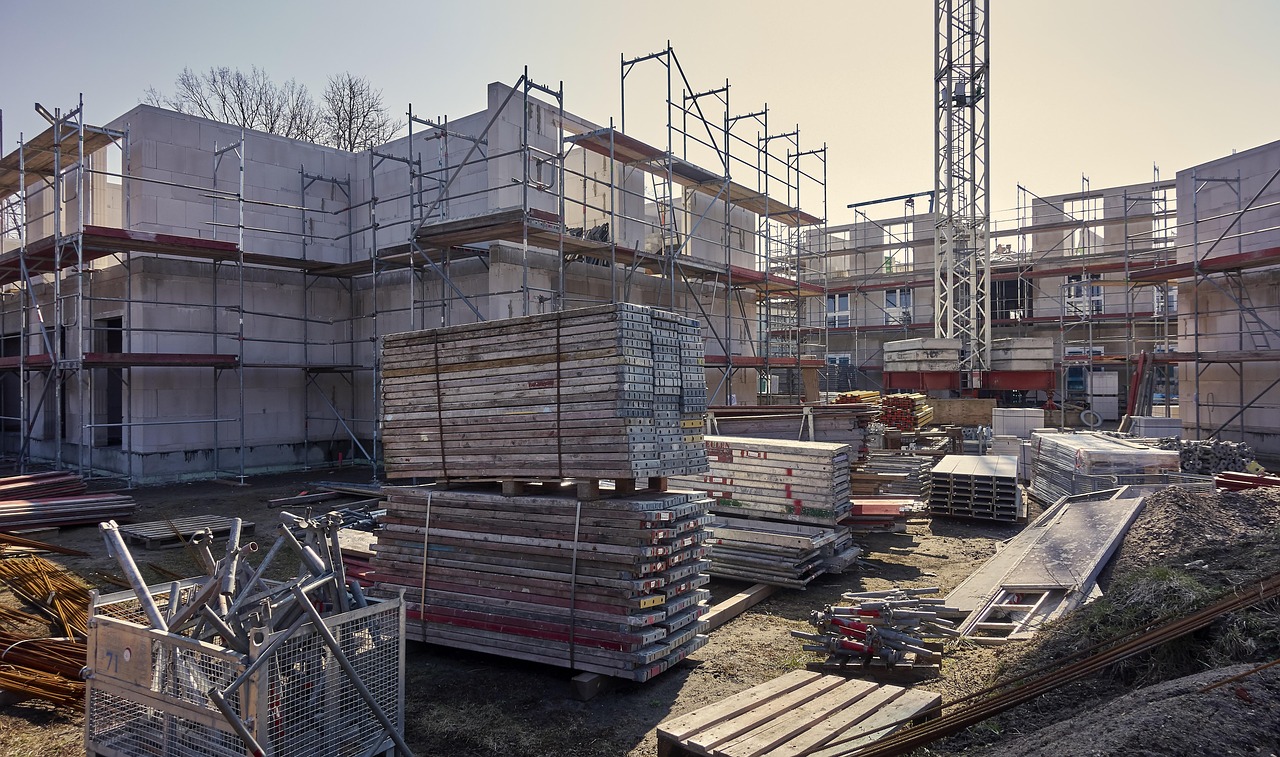
When renting out an ADU for rental income, ensuring your property meets all safety standards is non-negotiable. Local Planning Departments and Building Inspectors play a crucial role in enforcing these regulations, so it's vital to understand the specific codes and requirements in your area. Proper electrical wiring, fire safety systems, and accessible exits are often mandatory. Engaging with top-rated, licensed ADU contractors ensures these standards are met, as they are experts in navigating the complex web of local and state regulations.
The safety of tenants is paramount, especially in emergency ADU rentals. Regular inspections by building professionals can help identify potential hazards and ensure the property is maintained to a high standard. Top-rated ADU management services can facilitate these inspections and address any issues promptly, protecting both the landlord and the tenant. A property manager might require a monthly inspection to verify the functionality of smoke detectors, ensuring the safety of any residents.
Interior design and functionality also contribute to a safe and attractive ADU. Engaging interior designers who understand the unique challenges of small spaces can result in well-designed, comfortable, and secure living areas. This focus on quality not only increases the property's appeal to potential tenants but also reduces the likelihood of safety concerns and costly repairs. Remember, a well-maintained and safe ADU for rental income attracts responsible tenants and minimizes legal and financial headaches.
Tenancy Agreements: Protecting Both Landlord and Tenant in ADU Rentals

When renting out an Additional Dwelling Unit (ADU) for rental income, a robust tenancy agreement is essential to protect both the landlord and tenant. This legal document outlines the terms and conditions of the rental, ensuring a clear understanding between the parties. A well-crafted agreement can help maximize ADU rental rates by setting clear expectations regarding rent payments, maintenance responsibilities, and rules for occupancy.
The agreement should include specific details about the security deposit, how it's calculated, and the circumstances under which it's refundable. It should also address the process for handling repairs and maintenance, with a clear understanding of who is responsible for what. This is particularly important in ADU rentals, as the property may be located in a less accessible area, making emergency repairs a key consideration. Effective ADU tenant screening methods are also crucial. Landlords should thoroughly vet applicants, checking references, verifying income, and reviewing rental history. A robust screening process can help avoid problematic tenants, reducing the likelihood of damage to the property or late rent payments.
Beyond the standard terms, consider including clauses that address modern concerns, such as data privacy and utility usage. With more tenants potentially using the space for work-from-home arrangements, data privacy agreements can protect both the landlord and tenant's sensitive information. Establishing clear guidelines for utility usage and billing can prevent disputes, especially in shared spaces. Emergency ADU rentals near me, for instance, often have specific policies regarding access for maintenance or in case of emergencies, ensuring peace of mind for both landlords and tenants.
Regularly reviewing and updating tenancy agreements is vital, as laws and regulations can change over time. Consulting with a legal expert or real estate attorney can help ensure the agreement complies with local Tenancy Laws and IRS guidelines, protecting your investment and your tenants' rights.
Tax Implications: How Renting an ADU Impacts Your Financial Obligations

For the financial implications of renting out an ADU, understanding the tax landscape is crucial. Renting an ADU for income introduces a series of considerations that go beyond the initial investment. Tax implications can significantly impact your bottom line, so it's essential to approach ADU rental as a knowledgeable investor.
The Internal Revenue Service (IRS) offers a range of tax benefits for homeowners who use part of their residence for rental purposes. One key advantage is the ability to deduct mortgage interest and property taxes on the rental income. This can be a substantial savings, especially in markets where property values and rental rates are high. Maximizing ADU rental rates in urban areas with high real estate values can quickly turn into a lucrative venture. However, to take advantage of these deductions, meticulous record-keeping is essential. Every receipt, from mortgage payments to utility bills, can contribute to a robust tax strategy.
Engaging with licensed professionals is vital to navigating these complexities. When selecting best licensed ADU contractors, look for expertise in both construction and local building codes. The rental market trends for ADUs in 2023 indicate a growing demand, making it a strategic investment. However, staying compliant with local regulations is paramount. Local Planning Departments and Real Estate Boards provide guidelines and resources to ensure your ADU rental venture adheres to all necessary laws. By combining tax benefits with a well-managed rental strategy, you can create a sustainable and profitable ADU for rental income.
Insurance Coverage: Protecting Your Investment: ADU Rental Insurance Needs

For ADU for rental income, proper insurance coverage is a cornerstone of protecting your investment. As a landlord, you face unique risks when renting out an Accessory Dwelling Unit (ADU), from potential property damage during construction or renovation to liability claims from tenants. Top-rated ADU management services often recommend a comprehensive insurance policy that includes both property and liability coverage. This ensures that your ADU for rental income is shielded against unforeseen events, such as fire, vandalism, or personal injury on the property.
Understanding local ADU regulations and permits is crucial before insuring your ADU for rental income. Different areas have distinct requirements, and non-compliance can result in penalties or even the need to tear down existing structures. Some municipalities mandate specific safety features or building codes for ADUs. Once you've secured the necessary permits, review your insurance policy carefully. Make sure it accounts for these local regulations and provides adequate coverage for any required features or modifications.
ADU rental management software can aid in this process by helping you track insurance needs, permits, and other legal requirements. Reviews of these software solutions indicate that they streamline ADU for rental income management, offering features for policy tracking, tenant communication, and financial management. A review on a popular tech platform highlights how a specific software helps users "keep track of insurance policies and easily communicate changes to tenants." By leveraging ADU rental management software, you can ensure your ADU for rental income is both profitable and legally sound.
Eviction Procedures: Following Legal Pathways for ADU Rental Disputes

Eviction procedures for ADUs that are rented out for income can be complex, requiring a deep understanding of local tenancy laws. When disputes arise, ADU landlords must navigate these legal pathways with care. The first step is to ensure comprehensive ADU tenant screening methods to mitigate risks from the outset. This includes verifying income, employment, and rental history, as well as conducting thorough background checks. Top-rated ADU management services can assist with these initial screening processes, offering a level of expertise that individual landlords may not possess.
If a tenant breaches the lease agreement, landlords must follow a structured legal process. This typically involves issuing a formal notice to the tenant, outlining the violation and providing a specified timeframe to rectify it. If a tenant fails to pay rent, the landlord might serve a three-day notice to pay or quit. If the tenant does not comply, the next step is to file an eviction lawsuit with the local court, a process that requires precise documentation and adherence to strict legal timelines. Here, the services of a licensed attorney specializing in tenancy law can be invaluable.
During the legal process, landlords should also ensure they maintain thorough records of all communications and documents related to the dispute. This includes any notices, correspondence, and court papers. These records can be crucial in demonstrating the landlord's adherence to legal procedures if the case goes to trial. Landlords should consider engaging the services of a reputable best licensed ADU contractor to handle any necessary repairs or improvements, ensuring the property meets the required standards and providing further evidence of due diligence.
Tenant Screening: Best Practices for Selecting Reliable ADU Renters

Tenant screening is a critical component of successful adu for rental income. As the demand for short-term rentals continues to grow, so does the need for robust screening methods. Reliable landlords know that thorough screening isn't just about finding qualified renters; it's about mitigating risk and ensuring a smooth rental experience.
The process should include verifying income, employment, and rental history. Requesting complete and recent financial disclosures, such as tax returns or pay stubs, helps ensure potential tenants can afford the rent. Online rental management software reviews suggest utilizing multi-step verification methods, including cross-referencing information from different sources. This might include contacting previous landlords or employers for references, which can provide insights into the tenant's reliability and responsibility.
Consider the following for a comprehensive screening approach:
-
Credit Checks: These offer a detailed look at a tenant's financial health and history, helping you identify potential red flags.
-
Background Checks: While more common in residential rentals, background checks can provide valuable information on criminal history, which is relevant for both adu for rental income and the safety of your property.
-
Personal Interviews: Face-to-face (or video) interviews allow for direct communication, enabling you to gauge the tenant's personality, trustworthiness, and understanding of rental expectations.
Remember, the goal is to find tenants who will respect your property and pay their rent on time. While same-day ADU rental solutions might be appealing, prioritizing a thorough screening process will ultimately lead to a more stable and profitable adu for rental income. Always stay compliant with local tenancy laws and consult with a legal expert to ensure your screening practices are fair and legal.
Frequently Asked Questions About Legal and Regulatory Aspects of Renting Out ADUs: What You Need to Know
What is the legal status of renting out an ADU in my area? Rental of Accessory Dwelling Units (ADUs) is subject to local zoning laws and building codes. Before renting out an ADU, check with your city or county planning department to understand the specific regulations. These laws vary widely, covering aspects like maximum occupancy, parking requirements, and permit processes. Staying compliant is crucial to avoid legal issues and potential fines.
Do I need a permit to convert my garage into an ADU for renting? Most likely, yes. Permits are typically required for structural modifications and to ensure the converted space meets safety and building codes. Contact your local building department to determine the specific permit process and required documents. This step is essential to avoid penalties and ensure your ADU meets all legal standards.
What are the tax implications of renting out an ADU? Renting out an ADU can have tax consequences. You may need to report rental income and expenses on your tax return, potentially qualifying for deductions. Consult a tax professional to understand how to accurately report and pay taxes related to your ADU rental.
Are there any specific safety regulations for ADU rentals? Yes, safety is paramount. ADUs must meet fire safety standards, have adequate smoke and carbon monoxide detectors, and comply with electrical and plumbing codes. Ensure your ADU is equipped with working fire extinguishers and that electrical systems are up to code. Regular maintenance and inspections are recommended to keep your rental safe and compliant.
What insurance do I need for renting out an ADU? Liability insurance is crucial to protect against potential claims. Consider a renter's policy that includes liability coverage and potentially additional coverage for property damage or personal injury on your ADU property. Consult an insurance agent to tailor a policy to your specific needs and local regulations.
How do I ensure my ADU rental complies with fair housing laws? Familiarize yourself with fair housing regulations to avoid discrimination in your rental practices. This includes adhering to rules against discrimination based on race, religion, sex, and other protected categories. Posting clear rental guidelines and screening applicants fairly and equally is essential to stay compliant.
The legal and regulatory landscape surrounding ADUs for rental income is complex yet critical to navigate successfully. By understanding the nuances of local zoning laws, ensuring property standards, and drafting robust tenancy agreements, landlords can create safe, compliant, and profitable ADU rental spaces. Tax implications and insurance coverage are essential considerations to protect financial interests, while effective eviction procedures and tenant screening practices safeguard against legal disputes and unreliable renters. This article equips readers with a comprehensive toolkit to demystify the ADU rental process, enabling them to make informed decisions and thrive in this growing market. Next steps include consulting local Planning Departments and Real Estate Boards, conducting thorough market analyses, and partnering with reputable General Contractors and Property Managers to implement these best practices effectively.
Renting out an ADU for rental income requires navigating complex legal frameworks, from zoning laws to tenancy regulations. Success demands thorough understanding of local rules, reliable ADU management services, meticulous tenant screening, and consistent maintenance. Tax implications and insurance coverage are also critical components for a profitable and legally sound venture.