
The rise of Accessory Dwelling Units (ADUs) for rental income has transformed urban landscapes and expanded housing options. However, navigating local regulations can be complex, with permit requirements, building codes, and tenancy laws varying widely from city to city. This complexity can pose significant challenges for aspiring ADU landlords and property managers. This article provides a practical guide to local ADU regulations, offering insights into permitting processes, code considerations, and strategies for successful rental income generation. By understanding these regulations, you'll be better equipped to turn your ADU vision into a profitable and compliant rental opportunity.
- Understanding ADUs: Legal Framework for Rental Income
- Local Regulations: Where to Begin Your ADU Search
- Permits Introduced: A Step-by-Step Guide for ADUs
- Zoning Codes: Deciphering Restrictions for ADU Rental
- Building Safety: Ensuring Code Compliance for ADUs
- Property Value: How ADUs Impact Rental Income
- Common Pitfalls: Avoiding Legal Snags with ADUs
- Success Stories: Real-World ADU Rental Income Strategies
Understanding ADUs: Legal Framework for Rental Income

Navigating the legal landscape of ADUs (Accessory Dwelling Units) for rental income involves understanding a complex web of regulations and permits. Local Planning Departments play a crucial role in overseeing the development and conversion of ADUs, ensuring they comply with zoning laws and building codes. Some jurisdictions allow same-day ADU rental solutions, enabling landlords to quickly maximize returns on their investments. However, this agility comes with the responsibility to adhere to strict tenant screening methods to maintain property integrity and avoid legal pitfalls.
The ADU rental market offers unique opportunities, but it's essential to grasp the nuances of the tenant experience. Effective ADU tenant screening involves verifying income, employment, and rental history, often requiring digital documentation. This process not only protects landlords from potential losses but also fosters trust among tenants, leading to longer-term occupancy and better property management. Beyond traditional rentals, exploring niche ADU rental ideas can diversify income streams. Consider converting ADUs into home offices, co-working spaces, or even pet-friendly rentals to cater to specific market demands.
When managing ADUs, remember that the Tenancy Laws and IRS guidelines are integral to the process. Proper record-keeping, especially regarding rental income and expenses, is vital for tax compliance and can help in case of any legal disputes. Collaborating with professionals like Real Estate Market Analysts and Financial Analysts can provide valuable insights into market trends, ensuring your ADU investments remain competitive and profitable. Architects, General Contractors, and Building Inspectors are also key partners, ensuring your ADU conversions meet safety standards and local regulations.
Local Regulations: Where to Begin Your ADU Search

When examining the world of ADUs for rental income, understanding local regulations is crucial. Your initial steps should focus on navigating the complex web of permits and codes, which vary significantly from one neighborhood to the next. The first order of business is to consult with your local Planning Department. Their websites and personnel can offer invaluable insights into zoning laws, permit requirements, and any restrictions on ADU conversions in your area.
Real estate market analysts can also serve as a critical resource. They track local trends, including ADU-specific regulations, which can change rapidly. These professionals can help you anticipate future developments and make informed decisions. They can connect you with successful ADU landlords in your region, providing firsthand accounts of their experiences and rental income strategies. This network can offer practical advice tailored to your market.
As you examine deeper, consider engaging a professional ADU consultation service. While the cost of such services can vary, they often provide significant savings in the long run by avoiding costly mistakes. Licensed ADU contractors, recommended by these consultants, can offer top-quality construction and design services. They are familiar with local codes and can ensure your ADU meets all safety and regulatory standards, maximizing both its functionality and rental potential.
Lastly, don't overlook the tax implications of ADU for rental income. The Internal Revenue Service (IRS) offers specific guidelines on rental properties. Consult with a financial analyst or tax advisor to understand deductions, depreciation, and reporting requirements. Following these practices can help you optimize your tax benefits while maintaining meticulous financial records.
Permits Introduced: A Step-by-Step Guide for ADUs

Navigating the permit process is a critical step in turning your affordable ADU for rental income into a profitable asset. This step-by-step guide will ensure you understand the legal requirements and procedures, aligning with local planning departments and tenancy laws, such as those enforced by the Real Estate Boards in your area.
The first step involves researching and understanding the specific codes and regulations governing ADUs in your city. These regulations can vary significantly, affecting everything from building design to tenant rights. Some cities may require specific safety features or have restrictions on the number of tenants allowed. Once you've gathered this information, you'll need to apply for the necessary permits. This process typically involves submitting detailed plans to the local building department, which may include architectural drawings and structural calculations, prepared by licensed professionals such as architects or engineers.
Effective ADU tenant screening methods are crucial for ensuring you select reliable and respectful renters. While following local tenancy laws, consider implementing a robust screening process that includes verifying income, checking rental history, and conducting background checks. Top-rated ADU management services can offer valuable guidance and assistance with these procedures. Once your ADU is built and permitted, and tenants are in place, you'll need to stay on top of maintenance and any necessary code updates to keep your property in compliance and maximize its rental income potential. Regularly consulting with building inspectors and property managers can help you navigate these ongoing requirements.
Zoning Codes: Deciphering Restrictions for ADU Rental

Navigating zoning codes is a crucial step for anyone looking to enter the ADU for rental income market. These regulations, enforced by local planning departments, dictate what's allowed in terms of construction, use, and occupancy. Understanding these restrictions is essential to ensure compliance and avoid costly legal issues. Some areas may prohibit ADUs entirely, while others have strict guidelines on size, set-back requirements, and the distance from property lines.
When considering ADU rental income tax tips, it's vital to grasp these zoning codes. Tax implications can vary significantly depending on your location. Some municipalities offer incentives or exemptions for ADU landlords, while others may impose higher tax rates due to increased property values. As you develop your ADU rental strategy, consult with a financial analyst to understand the tax landscape. This will help you maximize your return on investment and ensure you're in compliance with local laws.
Maximizing ADU rental rates requires a nuanced understanding of the local real estate market. Conducting a thorough market analysis, similar to what a real estate market researcher would do, can reveal areas with high demand and limited supply. This information is crucial for setting competitive rental rates. Niche ADU rentals, tailored to specific needs or demographics, can also command premium prices. Converting a garage into a studio apartment for students or professionals can attract a consistent, high-quality tenant pool.
Finally, ensuring your ADU meets all building codes and safety standards is non-negotiable. General contractors, architects, and building inspectors play vital roles in this process. They ensure your ADU is up to code, safe for occupants, and meets any specific requirements set by the local tenancy laws. By following these guidelines, you can avoid legal headaches and create a successful and profitable ADU for rental income venture.
Building Safety: Ensuring Code Compliance for ADUs

Building safety is paramount when navigating the world of ADUs for rental income. Local planning departments enforce strict codes to ensure these additional dwellings meet specific construction standards. Structural integrity, fire safety, and electrical systems must adhere to established guidelines. Landlords must obtain permits before any renovation or construction, a process that varies by jurisdiction. Engaging with local building inspectors early in the project ensures compliance, minimizing potential fines or legal issues down the line.
Effective ADU rental management involves more than just securing tenants; it entails managing properties to maintain code compliance. Reliable maintenance companies specializing in ADUs can help with regular inspections and repairs, ensuring the property remains in good standing. Integrating ADU rental management software can streamline tenant screening, allowing landlords to implement effective methods that go beyond basic background checks. This includes verifying employment, income, and rental history, as well as conducting in-person or virtual property tours to assess potential tenants' fit for the space.
When facing tenant turnover or maintenance challenges, turning to online review platforms can offer insights into local ADU landlords' experiences. These resources provide a window into the reliability of service providers, tenant screening practices, and overall rental management strategies. By learning from peers, landlords can make informed decisions about service providers and stay current on best practices, ensuring their ADUs for rental income remain safe, legal, and profitable.
Property Value: How ADUs Impact Rental Income

The property value of Accessory Dwelling Units (ADUs) has become a hot topic, especially when considering their potential to boost rental income. In many areas, ADUs are transforming properties and creating valuable rental opportunities, but navigating the regulatory landscape can be complex. This section examines the impact of ADUs on rental income and offers insights into maximizing their potential.
The local government's planning departments play a pivotal role in approving ADU construction, ensuring compliance with zoning laws and building codes. The process involves submitting detailed plans, obtaining permits, and adhering to specific guidelines. In certain jurisdictions, ADUs must meet certain size requirements, have adequate parking, and maintain set setbacks from the main residence. These regulations vary widely, and understanding the local rules is crucial. For rental income, ensuring your ADU meets or exceeds the necessary standards is essential to avoid costly delays or re-work.
Trusted ADU builders reviews and experienced landlords' advice highlight the importance of meticulous planning. Effective ADU tenant screening methods are also vital. The goal is to find tenants who respect the property, understand shared spaces, and contribute to a positive rental environment. By implementing robust screening processes, ADU landlords can mitigate risks and foster long-term occupancy. A well-designed screening process might include detailed application forms, reference checks, and background verifications. These measures help in identifying responsible tenants, ensuring a steady flow of rent and minimizing potential issues.
The real estate market matters in the success of ADUs for rental income. Analyzing local market trends and understanding the demand for rental properties is key. Real estate market analysts can provide valuable insights into the potential rental yield and property appreciation associated with ADUs. This data-driven approach allows landlords to make informed decisions, ensuring their ADUs remain competitive and profitable. Areas with a high demand for rental housing and growing populations often present attractive opportunities for ADU investment, as they can command higher rental rates.
Common Pitfalls: Avoiding Legal Snags with ADUs

Navigating the legal landscape of Accessory Dwelling Units (ADUs) for rental income can be a complex task, riddled with potential pitfalls that even seasoned property investors and landlords may not anticipate. While ADUs offer a lucrative opportunity to maximize property value and generate passive income, the path to success is often strewn with legal snags that can delay progress or even lead to costly mistakes. A comprehensive understanding of local regulations, coupled with strategic planning, is crucial to steering clear of these traps.
One of the most significant challenges lies in obtaining the necessary permits and understanding the building codes specific to your area. Local Planning Departments play a pivotal role in this process, dictating the types of ADUs allowed, their size, and design elements. Certain jurisdictions might restrict ADUs to a specific distance from the main residence, or have specific requirements for windows and ventilation. Ignoring these codes can result in costly fines or even the demolition of the ADU. Engaging a professional ADU consultation service, which can cost between $2,000 and $5,000 depending on the complexity, is a prudent step. These experts can guide you through the permitting process, ensuring compliance from the outset.
The landlord must be aware of their obligations under Tenancy Laws, especially when renting out an ADU. This includes understanding the rights and responsibilities of both landlord and tenant, as well as the rules around utility division, maintenance, and security deposits. In some regions, landlords are required to provide a separate meter for utilities, ensuring fair allocation of costs. Engaging a reputable property management team can help navigate these legal intricacies, though their services usually come at a cost, typically a percentage of the monthly rental income. Cost-effective ADU advertising strategies, such as leveraging online platforms and social media, can be combined with these professional services to maximize rental potential while maintaining legal integrity.
Success Stories: Real-World ADU Rental Income Strategies
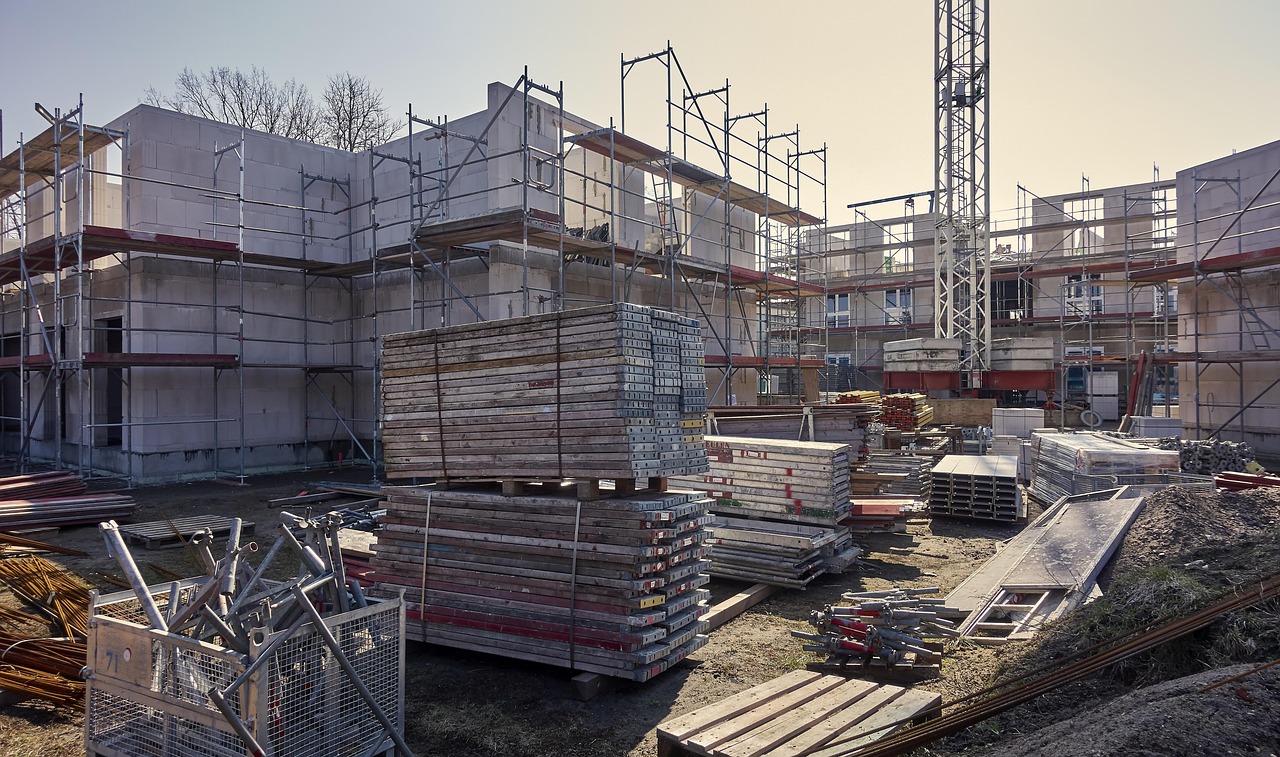
In the competitive real estate market, ADUs (Accessory Dwellings Units) have emerged as a strategic option for generating adu for rental income. Successful landlords and investors are leveraging these additional living spaces to maximize returns, especially in urban areas where land and property values are high. This section examines real-world examples and strategies that highlight the potential of adu for rental income while navigating local regulations and permits.
Consider the story of Sarah, a homeowner in a rapidly developing neighborhood. She converted her large backyard into a modern, fully furnished ADU, appealing to young professionals seeking affordable urban living. By partnering with a licensed and experienced contractor known for their niche ADU designs, Sarah ensured her property met all local building codes and safety standards. This emergency ADU rentals near me option not only increased her rental income but also provided a unique living experience for tenants. The key here is to work with best licensed ADU contractors who understand local regulations and can create properties that stand out in the market.
Another successful strategy involves targeting specific niche markets with unique adu for rental income ideas. Converting a garage into a cozy, pet-friendly studio apartment has proven popular among students and young couples. By catering to these specific needs, landlords can command higher rates and maintain lower vacancy rates. Online review platforms and social media have been invaluable in marketing these properties to the right demographics. This approach showcases the importance of understanding local market dynamics and leveraging digital tools for adu for rental income success.
Financial analysts emphasize the long-term benefits of ADUs, particularly in areas with high property values. While the initial construction and permit costs can be substantial, the potential for increased property value and consistent rental income makes adu for rental income a compelling investment strategy. As urban planning departments continue to approve ADU developments, the market for these rental properties is expected to grow, offering both financial security and the opportunity to contribute to a vibrant local community.
Frequently Asked Questions About Local ADU Regulations: Navigating Permits and Codes
What is an ADU, and why is it regulated? ADUs, or Accessory Dwellings Unit, are secondary residential units attached to a primary residence. Local governments regulate ADUs to ensure safety, maintain zoning laws, and manage rental income. Regulations cover everything from size and layout to structural integrity and fire safety, ensuring ADUs meet the same standards as primary homes.
Do I need a permit to build an ADU? Yes, obtaining the necessary permits is crucial before starting any ADU construction. Permits ensure compliance with local building codes and regulations. The specific permit required varies by location; contact your city or county building department to understand the process and necessary documents.
What if I want to convert an existing space into an ADU? Conversions require similar approval processes as new constructions. Inspectors will assess the space to ensure it meets code requirements for lighting, ventilation, plumbing, and electrical systems. Alterations to structural elements or the addition of new exits may necessitate additional permits.
Who is responsible for ensuring code compliance? The homeowner is primarily responsible for ensuring their ADU meets all applicable codes and regulations. This includes obtaining permits, adhering to building standards, and undergoing inspections. Contractors hired for the project must also be licensed and insured, and they bear responsibility for their work's compliance.
Are there specific safety considerations for ADUs? Absolutely. ADUs must meet fire safety standards, including smoke detectors and fire sprinkler systems in some cases. Accessibility and exit requirements are also crucial for safety. Ensure adequate lighting, clear exit paths, and compliance with local fire codes to protect occupants.
Can I rent out my ADU? Rental income from ADUs is a significant consideration. Local regulations dictate rental restrictions, such as minimum rental periods or occupancy limits. Check your city's ordinances to understand the rules around renting out an ADU and ensure you're in compliance with tax and zoning laws.
Navigating the local ADU landscape for rental income requires a deep understanding of regulations and a strategic approach. This article has demystified the process, providing insights into the legal framework, permits, zoning codes, and building safety standards that govern ADUs. By deciphering these codes, property owners can achieve the potential of ADUs for increased rental income while avoiding common pitfalls.
The key takeaways are clear: local planning departments and real estate boards play pivotal roles in ADU approval processes. Tenancy laws and IRS regulations must be rigorously followed to ensure compliance. Successful ADU landlords and property managers employ strategic rental strategies, leveraging market analysis and design considerations to maximize returns.
Moving forward, architects, general contractors, and building inspectors are essential partners in transforming properties into profitable ADUs. Understanding zoning restrictions, ensuring code compliance, and integrating interior design choices can significantly impact the final property value. By staying informed about local regulations, staying connected with industry experts, and adapting to market trends, individuals can successfully enter and thrive in the ADU rental market.
ADUs for Rental Income: Navigating Permits, Laws, and Markets
- Permits & Codes: Local Planning Departments oversee ADU development, dictating zoning, codes, and permit requirements. Understanding these is crucial for legal compliance and quick tenant occupancy.
- Tenant Screening: Effective screening methods, including digital documentation, protect landlords, foster trust, and lead to longer-term occupancy.
- Diversify Income: Explore niche ADU ideas (e.g., home offices, co-working spaces) to cater to market demands and maximize rental income.
- Professional Guidance: Collaborate with market analysts, financial advisors, and licensed contractors for insights, market trends, and legal/tax compliance.
- Long-Term Benefits: ADUs can increase property value, provide consistent rental income, and contribute to community vibrancy, making them attractive investments.