
As urban areas experience a surge in housing demand, Accessory Dwelling Units (ADUs) have emerged as a popular solution for generating additional rental income. However, managing ADU rentals presents unique challenges, from legal compliance with Tenancy Laws and IRS regulations, to ensuring optimal property values based on real estate market trends. This article, drawing from expert insights, offers a practical guide to navigating these complexities. We'll examine strategic rental management, construction best practices, and location-specific market analysis to help you maximize the potential of your ADU for rental income.
- Legal Considerations: Permits & Zoning for ADU Rentals
- Finding the Right Property: Key Factors for ADU Rental Success
- Financing Options: Maximizing ADU Rental Income
- Tenant Screening: Expert Tips for Quality ADU Tenants
- Maintenance & Repairs: Minimizing Costs for ADU Rentals
- Pricing Strategies: Setting Competitive ADU Rental Rates
- Marketing Your ADU: Effective Promotion for Rental Income
- Building a Strong ADU Rental Business: Long-Term Growth Strategies
Legal Considerations: Permits & Zoning for ADU Rentals

Navigating the legal landscape of ADU rentals for profit is crucial for success in this burgeoning market. Understanding permits and zoning regulations is not merely a formality but a critical step in ensuring compliance, avoiding penalties, and maintaining access to the lucrative ADU for rental income opportunity. Every jurisdiction has its own rules, making it essential for landlords, especially those considering emergency ADU rentals near me, to seek professional ADU consultation. The cost of such guidance, while an upfront expense, pales in comparison to the potential legal and financial headaches down the line.
Local Planning Departments and Real Estate Boards are your primary points of contact for obtaining necessary permits. They can guide you through the specific requirements, which may include design plans, safety inspections, and adherence to building codes. Given the complexity of these regulations, especially in urban areas where ADU development is booming, enlisting the help of top-rated ADU management services can be invaluable. These professionals have deep knowledge of local zoning laws and can streamline the permitting process, ensuring your ADU meets all necessary criteria.
Compliance with tenancy laws is also paramount. The IRS, for instance, has specific rules regarding rental income and deductions for homeowners who rent out ADUs. Understanding these tax implications is essential for maximizing profitability and avoiding potential audit risks. Familiarizing yourself with state and local tenancy laws protects both the landlord and tenant, fostering a fair and legal rental environment. By proactively addressing these legal considerations, you lay the groundwork for a successful and stress-free ADU rental business.
Finding the Right Property: Key Factors for ADU Rental Success

For building an ADU investment portfolio, the success of your rental income depends heavily on the property you choose. Location, condition, and market demand are key factors that influence both the potential return on investment and the day-to-day management.
Historic neighborhoods often present unique opportunities. Their charming architecture and established communities can attract tenants looking for a unique living experience. However, these areas may also have strict local building codes and design guidelines. Working closely with architects, general contractors, and building inspectors who have experience in historic district renovations is crucial to ensure compliance and create a well-designed, code-approved ADU.
Cost-effective ADU advertising strategies are essential to quickly fill emergency ADU rentals near me. While online platforms are popular, consider a multi-faceted approach. Collaborate with local real estate market analysts to identify the most effective online listings. Leverage the power of word-of-mouth through referrals from satisfied tenants and partnerships with property managers specializing in ADUs. Remember, a well-managed property with happy tenants can be a powerful source of positive reviews, attracting new renters organically.
Financing Options: Maximizing ADU Rental Income

Maximizing ADU Rental Income: Financing and Management Strategies
Financing options are a critical aspect of successful ADU for rental income. Landlords can explore a variety of strategies to fund their investments, from traditional mortgages to creative crowdfunding methods. One popular approach involves working with licensed ADU contractors who offer financing options as part of their services. These contractors can help secure low-interest loans through their established relationships with financial institutions. Some contractors partner with local banks or credit unions to provide tailored financing plans, making it easier for landlords to enter the ADU rental market.
Effective rental management software is another key to maximizing income. Tools designed for ADU landlords can streamline tenant screening, rent collection, and property maintenance. By automating these tasks, landlords can save time and reduce potential errors. Reviews of top rental management software highlight features like online rent payments, digital lease agreements, and tenant communication platforms. Incorporating such technology can lead to more efficient ADU rental management and higher occupancy rates.
Beyond traditional financing, landlords can explore niche ADU rental ideas to attract specific tenant demographics and command higher rates. Converting an ADU into a co-living space or a pet-friendly rental can appeal to certain markets. These specialized offerings can command premium pricing, but they require careful consideration of local regulations and tenant preferences. Understanding the real estate market and consulting with real estate analysts can help landlords make informed decisions about their ADU financing and rental strategies.
Tenant Screening: Expert Tips for Quality ADU Tenants

For managing ADU rentals, tenant screening is paramount. The right tenants can ensure a steady income stream, minimal hassle, and the preservation of your historic property's value. According to real estate market analysts, thorough screening can reduce vacancy rates and improve long-term profitability, making it a crucial component of building an ADU investment portfolio.
At the core of effective tenant screening are clear, comprehensive application forms. These forms should include details about prospective tenants' income, employment history, and rental experience. Property managers often recommend adding a section for references from previous landlords or service providers, such as utility companies. This multi-faceted approach allows for a holistic view of a tenant's reliability and financial stability. Consistent employment in the same field for several years can signal a stable income source, while positive references from previous landlords can attest to responsible tenancy.
In the same-day ADU rental landscape, promptness is key. Building inspectors and architects emphasize the importance of thorough but efficient screening to accommodate quick tenant turnover. Cost-effective ADU advertising strategies, such as leveraging online platforms and local community boards, can help you reach a broad pool of potential tenants while maintaining a streamlined screening process. Remember, while speed is essential, compromising on the depth of your screening is detrimental. A well-vetted tenant is less likely to cause damage to your property or default on rent, ensuring a harmonious rental experience for both parties.
Maintenance & Repairs: Minimizing Costs for ADU Rentals
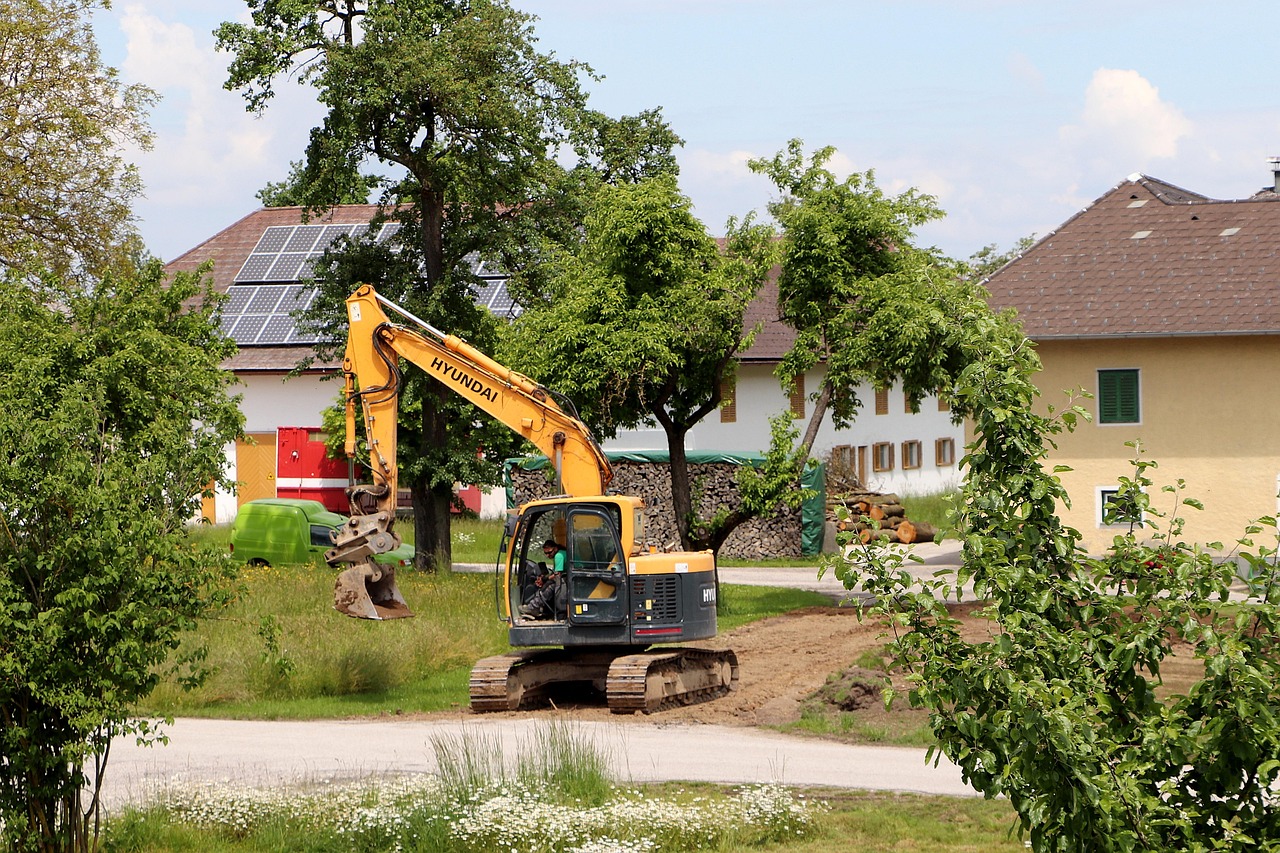
Maintaining and repairing ADUs for rental income requires a strategic approach to keep costs manageable. First, regular maintenance checks can help identify potential issues before they become costly repairs. A same-day ADU rental solution provider might offer preventive maintenance packages, ensuring that essential systems like plumbing and electrical are in top condition. By doing so, landlords can avoid the high costs associated with emergency repairs, especially during peak rental seasons.
When repairs are necessary, prioritizing tasks based on urgency and impact on tenant comfort is key. A practical approach involves categorizing repairs into three tiers: critical (immediate attention), moderate (schedule within a week), and minor (address when convenient). This system helps landlords manage their time and resources effectively. Keeping detailed records of all maintenance and repair activities is crucial. Online rental management software can streamline this process, allowing landlords to track expenses, schedule tasks, and communicate with tenants and service providers efficiently.
Hiring qualified professionals for specific tasks can significantly reduce costs and ensure work quality. Specialized contractors for plumbing, electrical, or HVAC repairs can provide expertise that general contractors may lack. Negotiating rates with reliable service providers can offer substantial savings over time. Many ADU landlords find that building a network of trusted vendors leads to more cost-effective solutions. A landlord in a nearby ADU rental market might leverage software reviews to identify top-rated service providers, ensuring both quality and affordability.
Pricing Strategies: Setting Competitive ADU Rental Rates

Setting competitive ADU rental rates is a delicate balance between attracting quality tenants and maximizing your return on investment. According to real estate market analysts, success often lies in understanding your local market dynamics. Conduct a thorough analysis of comparable ADU rentals in your neighborhood, considering factors like location, size, amenities, and recent market trends. A recent study by the local Real Estate Market Research group showed that well-maintained units with modern design elements can command a premium.
Effective pricing strategies should also incorporate effective ADU tenant screening methods. Don't just rely on basic background checks; conduct in-depth interviews, request references, and consider tenant-to-landlord ratio as a metric. A property manager once shared a successful strategy of screening potential tenants based on their employment stability, rental history, and ability to provide references from previous landlords. This multifaceted approach helps ensure tenant quality, reducing vacancy rates and potential damage to your property.
Maximizing ADU rental income isn't just about setting high rates; it's about understanding the tax implications. The IRS offers various deductions and benefits for rental income, including depreciation, mortgage interest, and property taxes. Consult with a financial analyst to navigate these deductions and structure your pricing accordingly. If your ADU mortgage interest is significant, factor that into your rental rates to offset the cost. This strategic approach can help you achieve a healthier profit margin while staying competitive in the market.
Consider offering long-term leases to stable tenants. This approach can provide predictability in your cash flow and may be more appealing to reliable tenants. Remember, the goal is to build a positive tenant relationship while maintaining a healthy ADU for rental income portfolio. By combining market analysis, robust tenant screening, and strategic pricing, you can set competitive rates that attract quality tenants and maximize your investment's potential.
Marketing Your ADU: Effective Promotion for Rental Income
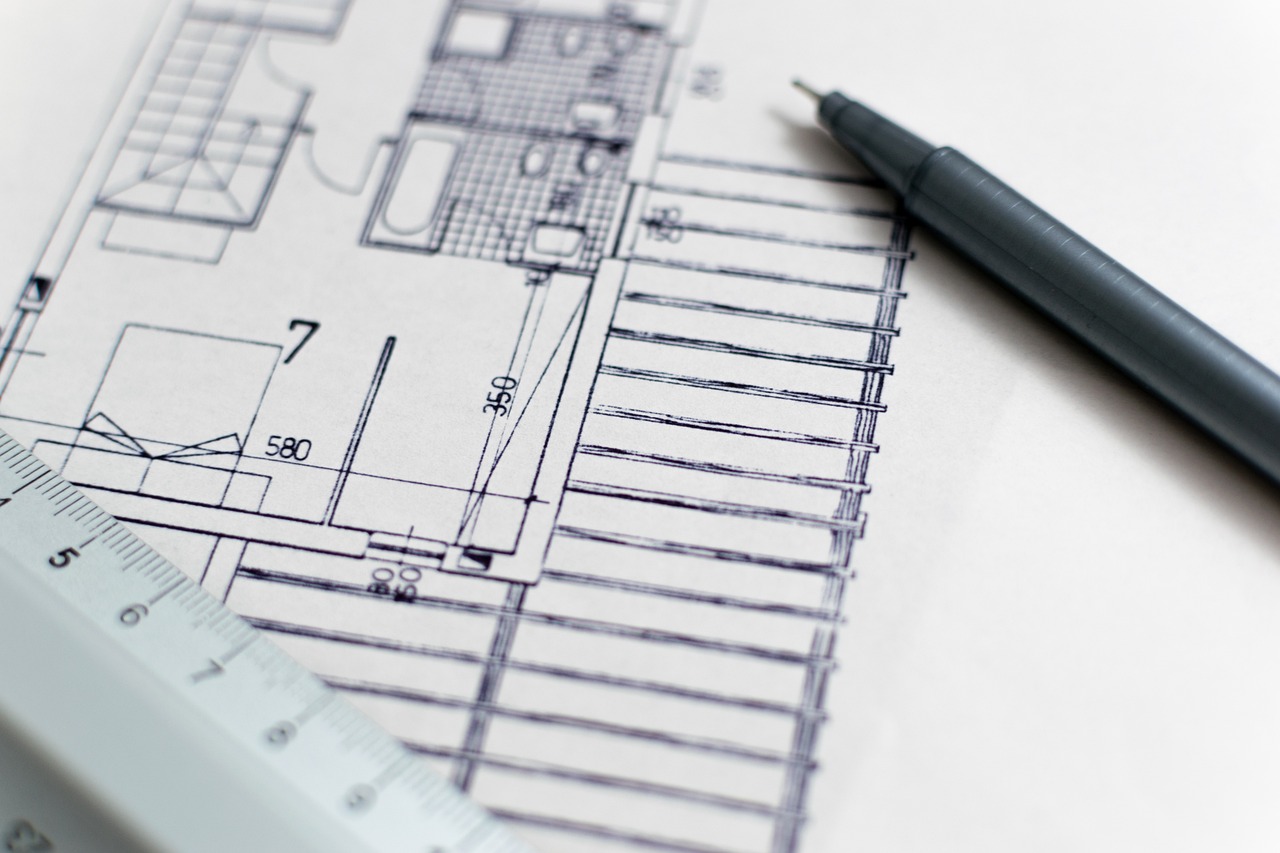
Marketing your ADU for rental income effectively is crucial for attracting quality tenants and maximizing your return on investment. The key is to present your property as a desirable and well-managed living space, which starts with compelling advertising. Unlike traditional single-family homes, marketing an ADU requires a focused strategy that highlights its unique benefits, such as its compact size, proximity to amenities, and potentially lower maintenance costs.
One effective approach is to leverage online platforms specifically designed for rental listings. Websites like Zillow, Trulia, and Craigslist offer robust tools to showcase your ADU with detailed descriptions, high-quality photos, and even virtual tours. Make sure to include a compelling list of features and amenities, such as nearby ADU rentals available, to appeal to a wide range of potential tenants. Emphasizing the convenience of on-site laundry or a shared backyard can set your property apart. Consider using social media platforms to reach a broader audience, especially younger renters who are often more active online.
To stay ahead of the competition, partner with reliable ADU maintenance companies that can ensure your property remains in pristine condition. A well-maintained ADU is more attractive to tenants and can command higher rental rates. Collaborating with professionals also streamlines the rental process, as they can handle any repairs or maintenance issues promptly. Cost-effective ADU advertising strategies, such as offering incentives for long-term leases or partnering with local businesses for cross-promotion, can help you reach the right audience without breaking the bank. Regularly reviewing and updating your listings, as well as listening to tenant feedback, will contribute to a successful marketing campaign for your ADU for rental income.
Building a Strong ADU Rental Business: Long-Term Growth Strategies

Building a robust ADU rental business requires strategic planning and a deep understanding of the dynamic rental market. To achieve long-term growth, landlords must adapt to evolving trends, such as the increasing demand for niche ADU rentals tailored to specific lifestyles and needs. Medical professionals, remote workers, and students have unique housing requirements that can be met through specialized ADU offerings. By identifying and catering to these niches, landlords can maximize occupancy rates and command premium rental rates.
One of the key strategies for maximizing ADU rental income is to focus on efficient property management. This involves hiring experienced property managers who can handle tenant screening, lease agreements, and regular maintenance. Property managers also ensure that the ADUs comply with local tenancy laws and IRS regulations, protecting both the landlord and tenant. Leveraging online review platforms can significantly impact the marketability of an ADU property. Positive reviews can attract new tenants and drive up rental rates. Landlords should invest time in cultivating a strong online presence and responding to reviews to build a reputation for quality housing.
Financial analysts play a crucial role in guiding ADU landlords toward the best investment strategies. They help in determining the optimal number of ADUs to build based on market demand, location, and construction costs. A thorough market analysis might reveal that constructing two ADUs on a lot is more cost-effective than one larger unit, considering the potential for higher rental income from two smaller units. By combining expert insights from real estate market researchers, architects, and financial analysts, ADU landlords can make informed decisions that enhance their portfolio's performance.
To stay ahead in 2023, ADU landlords should stay informed about market trends, adapt their rental offerings, and embrace innovative design concepts. Integrating smart home technology, energy-efficient appliances, and modern amenities can attract tech-savvy tenants willing to pay a premium. Landlords should consider the benefits of long-term partnerships with general contractors and building inspectors to ensure high-quality construction and compliance with local building codes, which are essential for maintaining a strong ADU rental business.
Frequently Asked Questions About Best Practices for Managing ADU Rentals: Tips from Experts
What is an ADU and why is it important in historic neighborhoods? An Accessory Dwelling Unit (ADU) is a separate, self-contained dwelling on a property, often in the backyard or garage, designed for rental. In historic neighborhoods, ADUs are a cost-effective way to increase housing supply, provide affordable rentals, and preserve the character of the area. They can help meet the growing demand for housing while maintaining the neighborhood's unique charm.
How do I ensure my ADU rental complies with local zoning laws? Thoroughly research and understand your local zoning regulations. Obtain necessary permits and ensure your ADU meets building codes and safety standards. Consult with a local building department or architect to verify compliance. Regularly review zoning changes and adapt your practices accordingly.
What are the best practices for screening potential ADU tenants? Implement a rigorous screening process including credit checks, background checks, and references. Verify employment and income to ensure reliable tenants. Conduct in-person meetings and thoroughly review lease agreements. Consider tenant mix and maintain open communication for a harmonious rental experience.
How can I effectively manage maintenance and repairs for my ADU rentals? Establish clear communication channels with tenants for maintenance requests. Create a detailed maintenance schedule and regularly inspect units. Maintain a reliable network of contractors and service providers. Prioritize urgent repairs and keep detailed records of all maintenance activities for transparency.
What financial strategies can help maximize the profitability of my ADU rentals? Optimize rental rates based on market demand and property location. Offer long-term leases for stability and consider offering incentives for early renewals. Track expenses meticulously and explore tax benefits related to rental properties. Diversify your portfolio and consider investing in ADU-friendly neighborhoods for long-term growth.
How can I ensure the safety and security of my ADU tenants? Install reliable security systems, including smoke and carbon monoxide detectors, security cameras, and emergency lighting. Provide clear security guidelines and emergency contact information. Regularly assess security risks and make necessary adjustments. Foster a sense of community among tenants for enhanced security.
What are the legal considerations for managing ADU rentals? Familiarize yourself with local landlord-tenant laws and fair housing regulations. Draft comprehensive lease agreements outlining expectations and rules. Maintain thorough records of rent payments, maintenance requests, and communication. Consult with a legal professional for guidance on complex issues or disputes.
Managing ADU for rental income effectively requires a multifaceted approach that combines legal compliance, strategic property selection, savvy financing, meticulous tenant screening, and cost-conscious maintenance. By navigating the legal landscape with guidance from local planning departments and understanding the real estate market through analysts, landlords can make informed decisions when selecting properties for conversion. Balancing the financial goals of maximizing rental income with the costs of financing, repairs, and marketing is essential for long-term success.
Implementing robust tenant screening practices ensures the attraction and retention of high-quality renters, reducing turnover rates and stabilizing income. Regular, proactive maintenance minimizes costly repairs by catching issues early, while strategic pricing strategies set competitive rates based on local market conditions and property features.
Finally, leveraging marketing channels and building a strong business reputation through online reviews and word-of-mouth can significantly boost ADU rental income. These best practices, backed by insights from experts across the industry, empower landlords to turn historic neighborhood properties into lucrative rental assets.
Summary
Building a successful ADU for rental income portfolio demands a strategic approach that navigates legal, financial, and marketing complexities. Key steps include:
1. Legal Compliance: Understand permits, zoning, and tenancy laws, seeking professional guidance to ensure adherence.
2. Property Selection: In historic districts, prioritize charming architecture and local building codes, working with experienced contractors.
3. Financing: Explore various strategies, including preventive maintenance packages, to manage costs.
4. Management: Implement robust tenant screening, maintain detailed records, and leverage online rental software.
5. Pricing: Conduct market analysis, consider tenant quality, and structure rates to maximize income while remaining competitive.
6. Marketing: Create compelling online listings, emphasize unique features, and partner with maintenance companies for a well-maintained property.
7. Growth: Adapt to trends, cater to specific lifestyles, maximize occupancy, and leverage online reviews. Collaborate with experts in real estate, finance, and design for informed decision-making.