In today's competitive real estate market, converting existing structures into Accessory Dwelling Units (ADUs) for rental income has emerged as a strategic move for property owners. The surge in demand for rental properties, coupled with favorable local regulations, makes ADU construction a lucrative opportunity. However, the path to successful ADU development is fraught with legal, design, and management challenges. This article provides a comprehensive, step-by-step guide to navigating the complexities of ADU construction, from understanding local tenancy laws and building codes with your local Planning Department to collaborating with architects, general contractors, and interior designers to maximize rental returns.
- Planning: Strategize for Optimal ADU Layout and Design
- Permits: Navigating Local Regulations for Rental Income Streams
- Site Preparation: Maximizing Space for Efficient ADU Construction
- Foundation Work: Laying the Groundwork for Structural Integrity
- Framing: Choosing Materials for Cost-Effective Rental Spaces
- Electrical and Plumbing: Integrating Systems for ADU Functionality
- Finishing Touches: Creating Inviting, Rentable Living Spaces
- Marketing and Rental Management: Strategies for Maximized Returns
Planning: Strategize for Optimal ADU Layout and Design
Strategizing for optimal ADU layout and design is crucial for maximizing returns in the ADU rental market trends 2023. Before breaking ground, consider the unique aspects of your property and the local ADU regulations and permits. Engage with a team of experts, including licensed ADU contractors and architects, to ensure your design meets both building codes and market demands.
Start by evaluating your property's unique characteristics, such as available space, zoning regulations, and neighborhood dynamics. These factors will dictate the size, layout, and style of your ADU. A spacious backyard might lend itself to a detached ADU, while a smaller lot may be better suited for a basement or attic conversion. Next, research local ADU regulations and permits to navigate the legal requirements. Each jurisdiction has its own set of rules, and understanding these is essential to avoid costly delays or legal issues.
Once you have a clear picture of your property's potential and the regulatory environment, collaborate with your design team. They can help you create a space that not only maximizes square footage but also enhances rental appeal. Consider incorporating modern amenities, energy-efficient features, and smart home technology to attract tenants. A well-designed kitchen with high-end appliances and ample storage can significantly increase your ADU for rental income. Remember, the key is to strike a balance between functionality, comfort, and marketability to ensure your ADU investment performs well in the current and future rental markets.
Permits: Navigating Local Regulations for Rental Income Streams
Navigating local regulations is a critical step in constructing ADUs for rental income streams. Every jurisdiction has its own set of rules and permits, which can significantly impact the feasibility and profitability of your project. Understanding these requirements is essential to ensure compliance and avoid legal issues down the line. Local planning departments often dictate zoning regulations, building codes, and specific permit processes for ADUs.
The first step is to consult with your local ADU landlords and real estate market analysts to gain insights into the most favorable locations and market demands. They can point you towards areas where there's a high need for rental properties and areas with more flexible local ADU regulations. Once you've identified a property, trusted ADU builders reviews will help you select experienced contractors familiar with the local ADU permit process. Engaging with professionals who have a proven track record in navigating these regulations can save you time and money.
Affordable ADU for rental income becomes more attainable when you understand the local ADU regulations and permits. Each project must obtain the necessary permits from the appropriate authorities, which typically includes a building permit and an use permit or variance, depending on the scope of your project and local laws. Building inspectors will verify that your construction meets all code requirements, while interior designers and architects can assist in ensuring the design aligns with local guidelines. Online review platforms can provide valuable feedback on contractors who have successfully navigated these processes in your area.
Regularly reviewing local ADU regulations is crucial, as they can change over time. Staying informed about any updates or modifications ensures your project stays compliant. Engaging with your local community, real estate market researchers, and urban planning departments can provide valuable insights into these changes. By following these steps and leveraging available resources, you can confidently move forward with your ADU construction project, setting the stage for successful rental income streams.
Site Preparation: Maximizing Space for Efficient ADU Construction
Site preparation is a critical step in ADU construction, as it directly impacts the efficiency and profitability of your rental property. When planning an ADU for rental income, maximizing space is key to accommodating potential tenants and increasing your return on investment. This involves careful consideration of the existing structure, site layout, and local regulations.
Experienced ADU landlords know that site preparation can make or break a project. The first task is to assess the property's current state. Is the land suitable for construction? Are there any unforeseen challenges, such as poor soil conditions or buried utilities? Engaging the services of a trusted ADU builder who can conduct a thorough site analysis is advisable. They will provide expert advice on the best layout options, ensuring your ADU design maximizes space and complies with local building codes. A well-planned ADU could incorporate a compact, yet functional, kitchen and bathroom, allowing for multiple tenants to share these spaces while still enjoying private living areas.
Once the site is ready, reliable ADU maintenance companies can help with construction. These experts will ensure that the project stays on track and within budget. Regular communication with the builder and maintenance team is vital. Regular site visits and progress updates will help you stay informed and address any issues promptly. This proactive approach ensures that your ADU for rental income is not only space-efficient but also constructed to the highest standards. A well-maintained property attracts tenants and reduces long-term costs, making it a sound investment.
Foundation Work: Laying the Groundwork for Structural Integrity
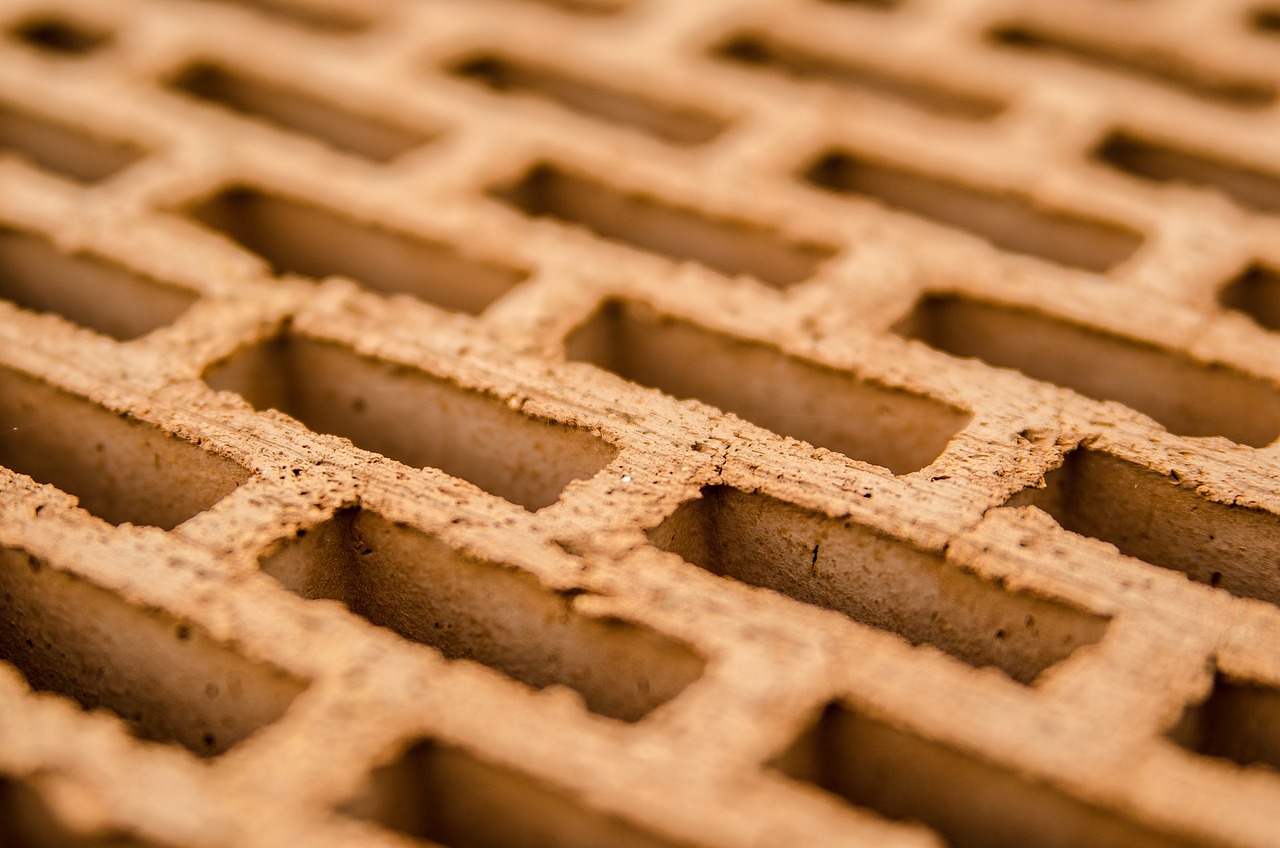
When constructing an ADU (Accessory Dwelling Unit) with a focus on same-day rental income, the foundation work is not just literal; it's the structural bedrock for your investment's success. This initial phase, often overlooked, is critical for ensuring your ADU for rental income performs well over time.
Foundation work begins with meticulous planning and the right permits, obtained through your local Planning Department. This step sets the stage for compliance with Tenancy Laws and IRS regulations, crucial for protecting your investment and maximizing returns. Next, engaging a top-rated general contractor experienced in ADU construction is key. They'll determine the best foundation type-whether concrete slab, basement, or pier and beam-based on your property's unique conditions and local building codes. A concrete slab foundation is common in many areas due to its cost-effectiveness and durability, while a pier and beam may be suitable for sites with specific soil conditions.
Once the foundation is laid, it undergoes thorough inspection by Building Inspectors to guarantee structural integrity. This phase is not just about meeting code; it's about laying a solid foundation for your ADU's long-term success. Quality interior design and management services can then transform the space, ensuring it appeals to potential tenants and aligns with current market trends. A well-designed ADU, combined with strategic rental rates based on local real estate market analysis, can yield impressive returns. A well-managed ADU in a high-demand area might achieve 10-15% annual rental income, providing a substantial secondary income stream.
By focusing on robust foundation work, engaging experts, and staying attuned to the market, you're setting the stage for maximizing ADU rental rates. This comprehensive approach ensures your ADU for rental income is not just a structure, but a valuable asset that consistently delivers returns.
Framing: Choosing Materials for Cost-Effective Rental Spaces
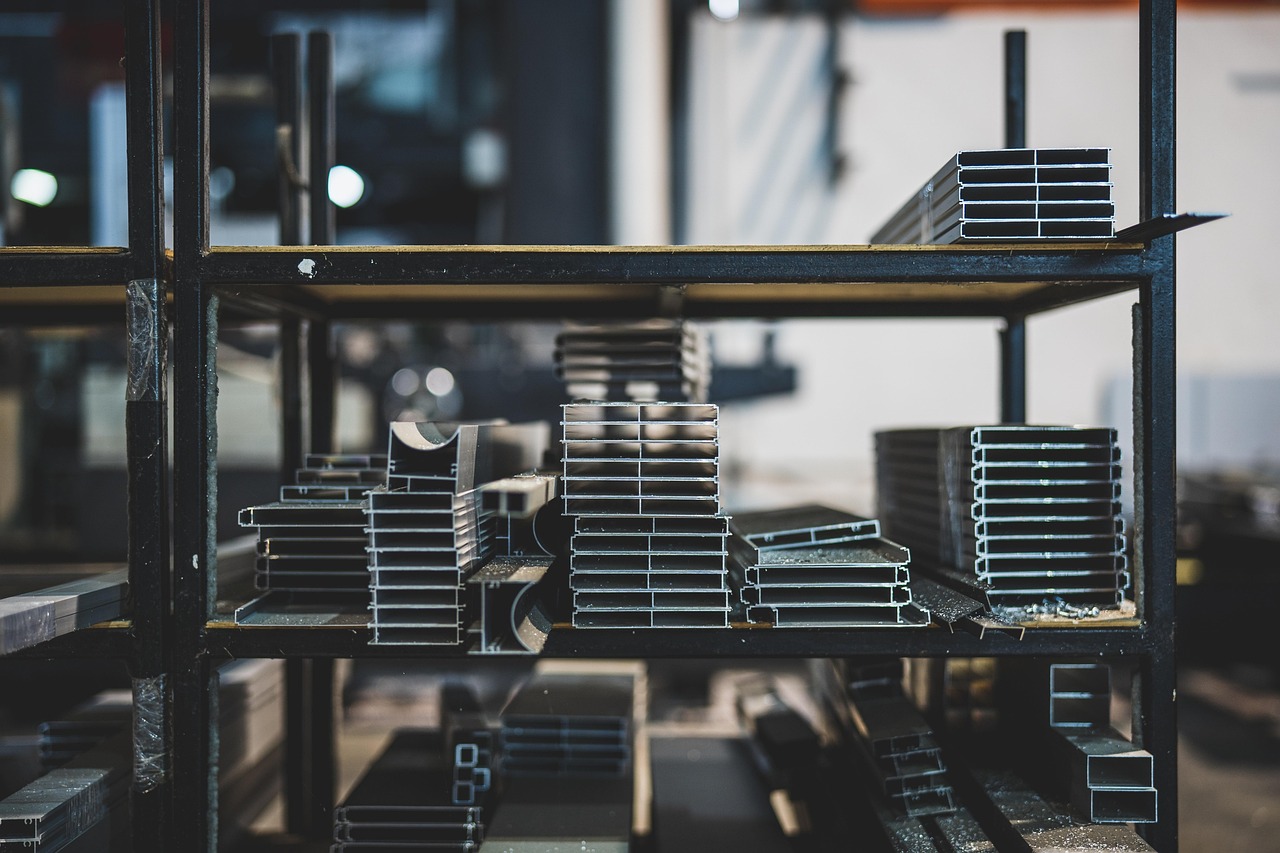
When constructing an ADU for rental income, choosing the right materials for framing is crucial. This decision significantly impacts both the structural integrity and cost-effectiveness of your space. High-quality, durable materials can not only withstand the test of time but also contribute to a more energy-efficient unit, which is a significant selling point for tenants.
Top-rated ADU management services often recommend materials like plywood and steel for framing. Plywood offers superior structural support and is relatively cost-efficient, while steel provides exceptional strength and longevity, making it a popular choice for more robust ADU designs. The right framing materials can also simplify construction, which translates to faster completion times. According to market analysts, ADU landlords who invest in high-quality framing materials often see a return on investment within the first year through reduced maintenance costs and higher tenant satisfaction.
For niche ADU rental ideas, consider materials that offer unique aesthetic appeal. Reclaimed wood can add a rustic charm while maintaining structural integrity. Alternatively, for cost-effective ADU advertising strategies, materials like pre-fabricated panels can significantly reduce construction time and material costs, making them attractive for landlords looking to maximize returns on their investments. Building inspectors will also appreciate the use of modern framing techniques and materials, as they ensure better safety standards and easier compliance with local tenancy laws and IRS regulations.
Remember, the choice of materials should align with your budget, expected rental rates in your market, and the local climate. Engaging with experienced architects and general contractors who specialize in ADUs can help you make informed decisions, ensuring your framing project is both efficient and profitable.
Electrical and Plumbing: Integrating Systems for ADU Functionality
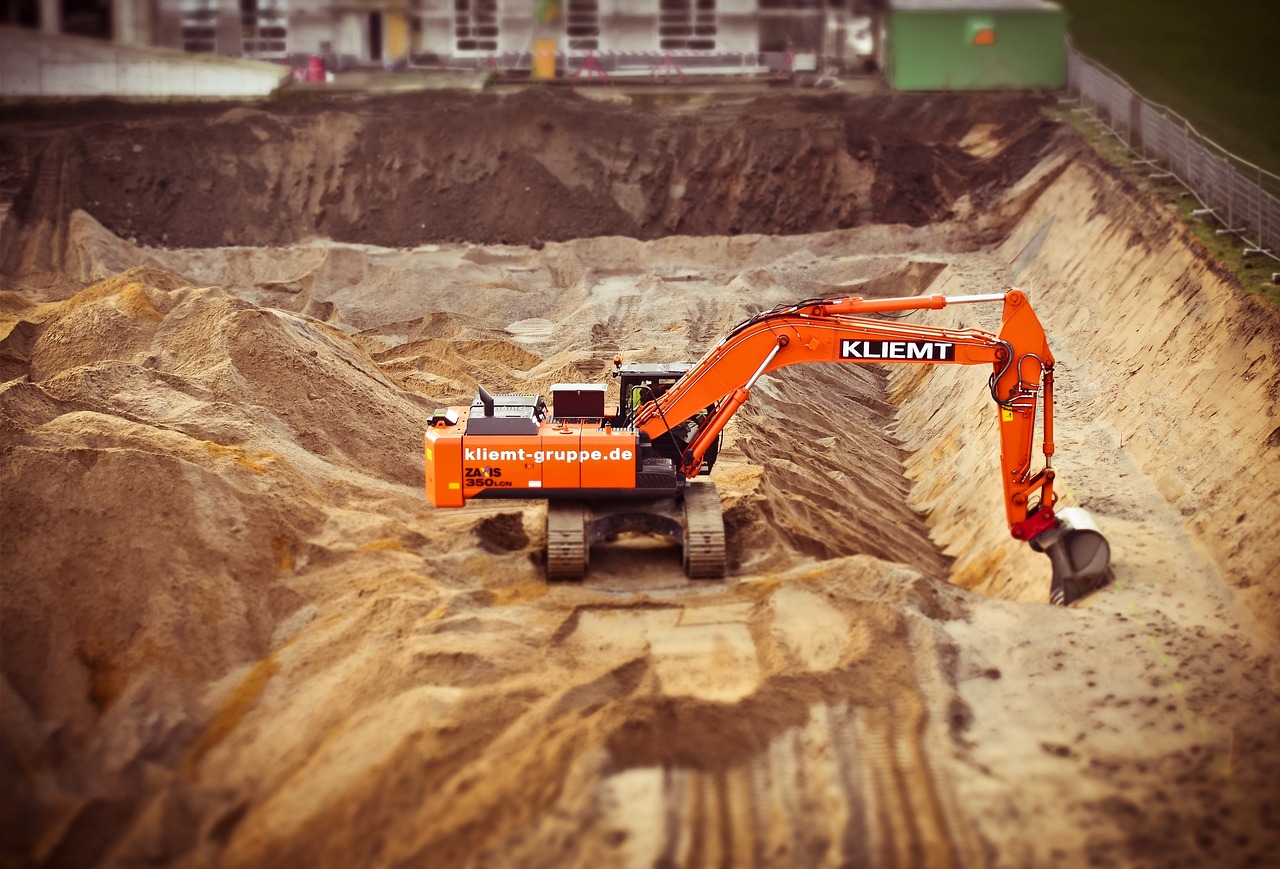
When constructing an ADU (Accessory Dwelling Unit) for rental income, integrating electrical and plumbing systems is crucial for the unit's functionality and appeal to potential tenants. This step-by-step process ensures a well-wired and fully-plumbed space, enhancing the overall value of your investment.
First, assess your local electrical and plumbing codes to ensure compliance. Consult with a reliable ADU maintenance company to understand the specific requirements for your region. This step is vital as it ensures your unit meets safety standards and avoids costly retrofits later. Once code-compliance is confirmed, design your electrical and plumbing layouts according to the unit's intended use. Consider energy-efficient lighting and appliances, smart home technology, and adequate power outlets for modern conveniences. For plumbing, plan for efficient water usage with low-flow fixtures and consider additional plumbing requirements if you plan to install a washer and dryer.
Next, hire licensed professionals for installation. Engage the services of a reputable electrician and plumber who specialize in ADU construction. They'll handle the intricate wiring and plumbing work, ensuring a safe and efficient system. A same-day ADU rental solution might require a knowledgeable contractor who can swiftly address any issues that arise. Regular maintenance is also key to keeping these systems in top shape. Schedule routine checks with a reliable maintenance company to identify potential problems before they become costly repairs. By integrating these systems effectively, your ADU for rental income will be a well-functioning, attractive, and safe space for tenants.
Finishing Touches: Creating Inviting, Rentable Living Spaces
Creating inviting, rentable living spaces is a critical step in the construction process for any Accessory Dwelling Unit (ADU) designed for rental income. This final phase involves thoughtful design and meticulous execution to ensure the space not only meets but exceeds the expectations of potential tenants. A well-finished ADU can significantly boost rental rates and attract high-quality tenants, contributing to a robust ADU investment portfolio.
The finishing touches extend beyond aesthetics. They encompass functionality, comfort, and safety. Engaging the services of professional ADU consultation can help navigate the intricate design and building process, ensuring the final product aligns with local regulations and market demands. While the initial investment in professional consultation may seem steep, it pales in comparison to the long-term returns. Top-tier ADU landlords understand the value of a well-designed space, and the best licensed ADU contractors are adept at transforming plans into rentable realities. Consider the impact of a well-lit, open-concept living area with modern finishes; these details can elevate the space from merely functional to truly desirable.
Incorporating durable, yet stylish materials is a key consideration. High-quality flooring options like hardwood or luxury vinyl can enhance the overall appeal of the unit. Similarly, modern appliances and fixtures not only save on long-term maintenance costs but also signal to tenants that the property is well-maintained and cared for. Remember, the goal is to create a space that feels like home, complete with attention to detail that speaks to the property's overall value.
Beyond the physical space, consider the outdoor areas. A well-landscaped front yard and a private patio or balcony can significantly enhance the desirability of the ADU. These outdoor spaces offer tenants a sense of privacy and provide additional rental opportunities for seasonal furniture or outdoor entertainment gear. A professional consultation can help optimize these spaces, ensuring they complement the interior design and add to the overall market appeal of the property.
Marketing and Rental Management: Strategies for Maximized Returns

To maximize returns on your ADU for rental income, effective marketing and rental management are crucial. The first step is understanding your target market. Engage with real estate market analysts to gauge local demand for ADU rentals, identifying areas with high potential. Regions experiencing population growth or facing housing shortages often present the best opportunities. This data-driven approach ensures you're investing in locations with a proven track record of consistent demand.
Once you've established your target market, it's time to build a strong rental portfolio. Diversifying your ADU investments can mitigate risk and increase profitability. Consider a mix of properties suited to different tenant profiles and budgets. A well-designed, modern studio might appeal to young professionals, while a family-friendly, multi-bedroom unit could attract growing families. By catering to diverse needs, you can maximize occupancy rates and maintain a steady stream of revenue.
Professional ADU consultation costs can seem prohibitive, but the expertise they offer is invaluable. Building inspectors, architects, and interior designers can provide insights into design, safety, and market trends. These specialists ensure your ADUs meet high standards, appealing to discerning tenants. They can guide you in navigating complex legal and regulatory frameworks, such as tenancy laws and IRS guidelines, protecting your investments and ensuring compliance. For emergency ADU rentals near me, reliable property managers are essential, offering on-the-ground support for tenant screening, maintenance, and repairs.
Frequently Asked Questions About ADU Construction: Step-by-Step Process for Maximized Returns
What is an ADU, and why is it a profitable investment?
An Accessory Dwelling Unit (ADU) is a separate, self-contained dwelling on a property, typically constructed above, below, or beside an existing main residence. It provides additional living space, which can be rented out for significant rental income. This is a profitable investment because it maximizes property value by increasing livable space, offers a passive income stream, and can be a cost-effective way to accommodate family or guests.
How much does constructing an ADU typically cost?
The cost of constructing an ADU varies based on factors like location, size, materials used, and complexity of design. Most installations range from $50,000 to $200,000, with the average being around $100,000. This includes labor, permits, and materials, but does not include the cost of the land or the main residence.
What steps are involved in the ADU construction process?
The process begins with planning and design, obtaining permits, and securing a contractor. Next, the site is prepared, and construction begins. This typically involves foundation work, framing, electrical, plumbing, and interior finishing. Once complete, the ADU is inspected, and you can begin marketing it for rent. The whole process usually takes one to two days, depending on the size and complexity.
What local regulations need to be considered before starting construction?
Check your local building codes, zoning laws, and property restrictions. Ensure the ADU complies with regulations regarding size, set-back, and structural integrity. Permits are usually required for construction and must be obtained from the local building department.
How do I choose the right contractor for my ADU project?
Research and select a licensed and experienced contractor familiar with ADU construction. Request references, compare bids, and ensure they have insurance. Check online reviews and ask for examples of their past work to make an informed decision.
Can an ADU be added to a historic property, and how might it affect property value?
An ADU can be added to a historic property with the right planning and design, but it must adhere to the property's historical significance and architectural style. This might require specialized architects and contractors. While an ADU can increase property value, the impact varies; it's best to consult local real estate experts for specific insights.
Constructing an ADU for rental income involves a strategic, step-by-step approach that leverages local expertise and adheres to stringent regulations. From meticulous planning and permit navigation to meticulous construction, finishing, and management, each phase demands careful consideration. By understanding the nuances of the real estate market, employing cost-effective materials, and integrating functional systems, landlords can maximize returns on their investment.
The article's key takeaways underscore the importance of:
- Strategic Design: Optimizing space and layout to cater to tenants' needs and maximize rental rates.
- Compliance: Navigating local planning departments and tenancy laws to avoid legal pitfalls.
- Efficient Construction: Choosing durable yet cost-effective materials and employing skilled contractors.
- System Integration: Ensuring seamless electrical, plumbing, and other essential systems for a fully functional unit.
- Effective Management: Implementing robust marketing strategies and efficient rental management practices to attract and retain quality tenants.
Next steps for ADU landlords include:
- Consulting with local architects and general contractors to translate design concepts into reality.
- Engaging property managers to handle day-to-day operations and maximize occupancy.
- Continuously analyzing the real estate market to adjust rental rates and strategies accordingly.
By embracing these practices, ADU landlords can not only maximize returns but also contribute to the vibrancy of their communities through affordable rental housing options.
Strategize ADU layout and design for maximum rental income by evaluating property, understanding local regulations, collaborating with experts, and incorporating modern amenities. Navigate local ADU regulations, choose durable framing materials, integrate efficient electrical and plumbing systems, and create inviting spaces to attract tenants. Implement effective marketing and rental management, understanding target markets, diversifying investments, and leveraging professional consultation for optimal returns.